

Views: 0 Author: Site Editor Publish Time: 2026-01-28 Origin: Site


The importance of maintaining a sterile environment in the operating room (OR) cannot be overstated, especially in orthopedic surgeries where the risk of infection can significantly impact patient recovery. Assembling and sterilizing an Operating Instrument Set is a critical process that ensures the surgeon has all necessary tools readily available and that these tools are free of contaminants. At Ruijin Medical, we provide a wide range of high-quality surgical instruments designed for trauma repair, joint replacement, and spinal surgery. In this article, we will discuss the best practices for assembling and sterilizing an orthopedic Operating Instrument Set to ensure safety, efficiency, and positive surgical outcomes.
To properly assemble an orthopedic Operating Instrument Set, it’s important to understand the different types of instruments included in the set and their specific functions. Each instrument in the set is carefully designed to address specific aspects of the surgery. Some instruments are designed to cut, others to hold or manipulate tissue, and some to stabilize bones.
Scalpels and Knives: These are essential for making incisions in the skin and other tissues.
Forceps and Hemostats: Used for holding tissues, clamping blood vessels, and stopping bleeding.
Retractors: These tools are used to hold back tissues, such as muscles or organs, to give the surgeon clear visibility of the surgical area.
Bone Cutters and Bone Holders: These are critical for cutting bones and holding them in place during procedures such as joint replacements or fracture repairs.
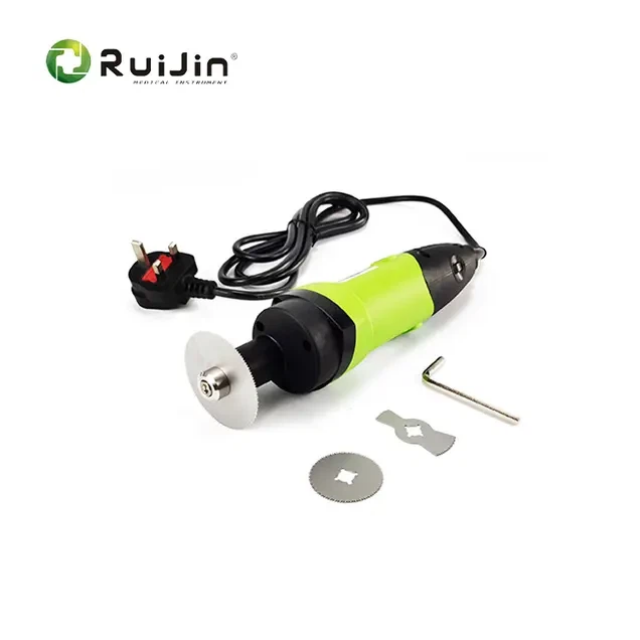
Power Tools (Drills, Saws, and Reamers): For drilling holes into bones or cutting bone surfaces to fit implants.
Surgical Sponges and Drapes: Used to absorb blood and other fluids during surgery, ensuring a clean and dry environment.
At Ruijin Medical, we specialize in providing comprehensive Operating Instrument Sets that include all these components, designed to cater to the needs of orthopedic procedures. These sets are essential for ensuring a smooth workflow and reducing the risk of complications during surgery.
Assembling an Operating Instrument Set involves careful organization and attention to detail. The following step-by-step workflow can help ensure that your instrument set is properly prepared and sterilized before surgery.
The first step in assembling the Operating Instrument Set is to lay out all the tools needed for the specific surgery. This step involves checking each instrument for any defects, ensuring that all components are included in the set, and verifying their functionality. Surgeons and OR staff should double-check that each tool is in good condition and ready for use. Having an organized inventory will help avoid delays during surgery.
A detailed inventory sheet can be used for tracking instruments. This sheet should list the instrument type, quantity, and placement within the tray. For example, scalpels might be placed in the front section, while bone cutters are stored in a separate compartment. This makes it easier to quickly locate instruments when needed.
Once the tools have been inventoried, the next step is to arrange them in sterilization trays. The instruments should be placed in a way that ensures they are exposed to the sterilizing agent (typically steam or gas) on all surfaces. Instruments should not overlap or touch one another to avoid any potential contamination during the sterilization process. Special sterilization trays are designed to hold instruments securely while still allowing for effective sterilization.
It’s important to note that heavier instruments, such as bone cutters or power tools, should be placed at the bottom of the tray to prevent lighter instruments from being damaged or misaligned. Additionally, sharp instruments like scalpels should be handled carefully and placed in secure positions to avoid injury to the surgical staff.
Once the instruments are arranged, the next step is to secure them in the tray. Instruments can be secured with straps or a mesh cover to ensure they remain in place during the sterilization process. Labeling the sterilization trays is also crucial. The labels should indicate the contents of the tray, the date of sterilization, and any special instructions (such as instruments that need to be cleaned before use).
Proper labeling helps ensure that the correct set of instruments is used for the surgery, reducing the chances of errors during the operation. It also helps maintain a smooth and efficient workflow, particularly in high-volume OR environments.
Instrument | Placement | Notes |
Scalpels | Tray section A | Sterile |
Retractors | Tray section B | Non-overlapping |
Bone cutters | Tray section C | Secured |
Forceps | Tray section D | Sterile |
Hemostats | Tray section E | Ready for use |
The checklist ensures that every instrument is placed correctly, reducing the risk of contamination and speeding up the assembly process.
Proper sterilization is vital to prevent infections and complications during orthopedic surgeries. Sterilizing the Operating Instrument Set must be done in compliance with established safety standards. Below are some best practices for sterilizing orthopedic instruments.
Autoclaving is the most common method of sterilizing surgical instruments. This process uses steam and high pressure to kill bacteria, viruses, and fungi on the instruments. Autoclaves should be set to the appropriate temperature (usually 121°C to 134°C) and pressure (15 to 30 psi) to ensure complete sterilization.
When using an autoclave, it’s essential to follow the manufacturer’s instructions regarding load size and cycle time. Instruments should be placed in autoclave bags or trays, ensuring that they are not overcrowded. Properly arranging the instruments in the autoclave ensures that steam can penetrate all areas of the instruments, guaranteeing effective sterilization.
For instruments that cannot be autoclaved, chemical sterilization is an alternative. Chemicals like hydrogen peroxide or glutaraldehyde can be used to sterilize instruments without the need for high heat. While chemical sterilization may take longer than autoclaving, it is an effective method for delicate instruments or those that cannot withstand heat.
Dry heat sterilization is another method that is suitable for instruments that may be damaged by steam. It uses heated air to sterilize instruments, usually at temperatures around 160°C for 2 hours. Monitoring indicators should always be used to verify that the correct temperature has been reached for the required time.
Contamination is one of the greatest risks in the operating room, and preventing it is essential to maintaining a sterile field. Staff hygiene plays a critical role in this process. All OR personnel must wash their hands thoroughly and wear sterile gloves, masks, and gowns before handling sterile instruments. The instruments should only be handled by sterile staff to avoid contamination.
Proper OR prep is also essential to ensure that the environment is free from contaminants. The surgical field should be cleaned and disinfected before instruments are introduced, and sterile drapes should be used to cover non-sterile areas.
After sterilization, the instruments should be inspected to ensure that they are still in good condition and that the sterilization process was successful. Any instruments that show signs of wear or damage should be removed from the set and replaced. It’s also important to check the integrity of the sterilization seal to ensure that the set has remained sterile.
Once inspected, the instruments should be stored in a clean, dry, and temperature-controlled environment. Proper storage helps maintain the sterility of the instruments until they are ready for use in surgery.
Training is key to ensuring that all staff are proficient in assembling and sterilizing Operating Instrument Sets. Standard operating procedures (SOPs) should be established for each step of the process, from inventory and assembly to sterilization and storage. Regular training sessions should be held to reinforce proper techniques and ensure that staff remain up-to-date with the latest protocols.
In conclusion, the proper assembly and sterilization of an Operating Instrument Set are critical steps in ensuring the success of orthopedic surgeries. At Ruijin Medical, we understand the importance of these processes and provide comprehensive sets of orthopedic instruments designed to meet the highest standards of quality and precision. By following proper assembly, sterilization, and handling protocols, surgical teams can reduce the risk of complications and improve patient outcomes.
If you are interested in learning more about our high-quality Operating Instrument Sets or need assistance in selecting the right tools for your practice, please don’t hesitate to contact us at Ruijin Medical. Our team is dedicated to providing high-quality, cost-effective surgical solutions to meet your needs.
1. What steps are involved in assembling an orthopedic instrument set?
Assembling an orthopedic Operating Instrument Set involves laying out tools, inventorying, arranging them in sterilization trays, and labeling the instruments for easy identification.
2. How do I sterilize orthopedic instruments?
Orthopedic instruments can be sterilized using autoclaving, chemical sterilization, or dry heat sterilization, depending on the instrument type and material.
3. How can contamination be avoided during surgery?
Contamination can be avoided by ensuring that staff follow strict hygiene protocols, use sterile gloves and gowns, and handle instruments only in sterile environments.
4. Why is post-sterilization inspection important?
Post-sterilization inspection ensures that instruments are in good condition and have been properly sterilized, helping to prevent complications during surgery.


