

Views: 0 Author: Site Editor Publish Time: 2026-01-26 Origin: Site


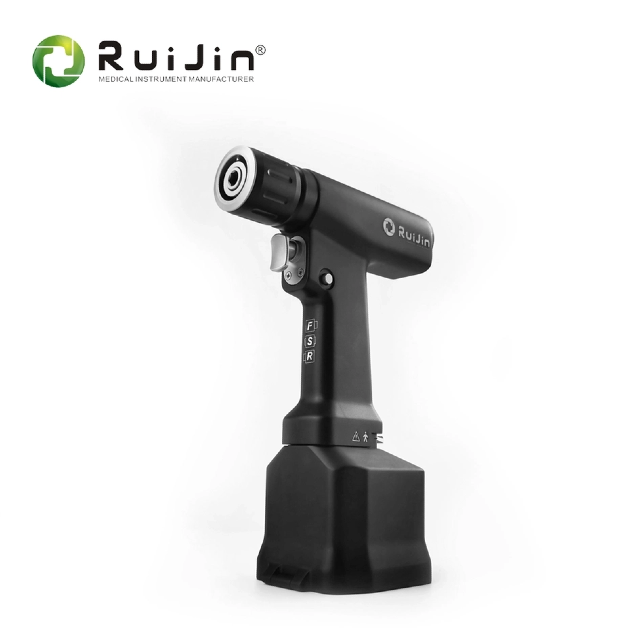
The Multifunctional Drill Saw System is a versatile and essential tool in orthopedic surgery, offering the ability to drill, saw, and ream, all within one system. Its multifunctionality enhances surgical efficiency, allowing surgeons to perform various tasks with precision while minimizing the need for multiple instruments. At Ruijin Medical, we specialize in manufacturing high-performance Multifunctional Drill Saw Systems that are designed to support a wide range of orthopedic surgeries, from trauma repairs to joint replacements and spinal procedures. In this article, we will guide you on how to safely use this advanced system, ensuring optimal results in your orthopedic procedures.
A Multifunctional Drill Saw System combines multiple surgical tools in a single device, typically including a drill, saw, reamer, and adapters. This integrated system allows surgeons to switch between different functions without changing tools, which not only improves workflow efficiency but also reduces the time spent on the operating table.
Drill Function: Used for creating precise holes in bones to insert screws, pins, or plates for stabilization.
Saw Function: Essential for cutting through bone in procedures like osteotomy or joint replacement.
Reamer Function: Used to prepare bone surfaces for implants, ensuring proper fit and alignment.
Adapters: The system includes different adapters that allow for compatibility with various surgical attachments, making it versatile for different procedures.
By consolidating several instruments into one system, the Multifunctional Drill Saw System reduces the need for multiple instruments, streamlining the surgical process and improving overall efficiency.
Before using the Multifunctional Drill Saw System, it is crucial to ensure that the equipment is properly inspected, sterilized, and that the operator is fully trained. Below are key safety protocols to follow:
A pre-use inspection is essential to ensure the Multifunctional Drill Saw System is in optimal working condition. This involves:
Checking for any visible damage to the device, including cracks, dents, or malfunctioning parts.
Ensuring that all adapters and attachments are securely fitted and compatible with the system.
Verifying the power supply, ensuring that the system’s batteries are fully charged or the wired power source is functional.
A thorough inspection before use ensures that the system operates smoothly and reduces the risk of equipment failure during surgery.
Sterilization is crucial to prevent infections during surgery. The Multifunctional Drill Saw System must be properly sterilized to meet OR standards:
Ensure that all detachable parts, such as saw blades, drill bits, and reamers, are cleaned and sterilized.
Follow the manufacturer's guidelines for sterilizing the system, using appropriate methods such as autoclaving or chemical sterilization.
Double-check that all sterile items are stored in sterile packaging until use.
Sterilization is key to ensuring the safety of both the patient and the surgical team, and adherence to protocols is essential.
The safe operation of the Multifunctional Drill Saw System requires that all surgical team members are properly trained. Surgeons and support staff should be familiar with the system's settings, including how to adjust speed, torque, and how to switch between the drilling, sawing, and reaming functions. Operator training includes:
Familiarizing the team with the system’s interface and controls.
Understanding the recommended settings for different types of bone and surgical procedures.
Practicing with the equipment in a controlled environment before using it on patients.
Proper training ensures that the Multifunctional Drill Saw System is used safely and efficiently, minimizing the risk of errors during surgery.
Once the Multifunctional Drill Saw System has been properly inspected, sterilized, and the operators are familiar with the equipment, it’s time to begin using it. Here’s a step-by-step guide for operating the system safely:
To begin, ensure that the Multifunctional Drill Saw System is powered on and properly configured:
For battery-operated systems, ensure that the battery is fully charged before use.
For wired systems, connect the power cable securely to the unit and power source.
Select the appropriate function (drill, saw, ream) based on the specific needs of the surgery.
Check the system’s display panel to ensure the settings are correct before starting the procedure.
The system includes multiple adapters for different functions. It’s crucial to choose the correct adapter for each part of the surgery:
Drill Adapter: For creating holes in the bone, typically for screw insertion.
Saw Adapter: For making precise bone cuts, often used in procedures like osteotomy.
Reamer Adapter: For preparing the bone for implant placement.
Ensure that the adapter is securely attached to the system before use to prevent malfunction or injury.
Adjusting the speed and load of the Multifunctional Drill Saw System is essential for achieving the best results and avoiding damage to the bone or surrounding tissue. Surgeons should:
Start at a lower speed and gradually increase as needed.
Monitor the system’s load to avoid excessive strain on the motor.
Use steady, controlled movements to ensure precision in the procedure.
Proper speed and load adjustments are vital to maintaining control and minimizing complications during surgery.
Mode | Typical Procedure | Best Practice |
Drilling | Fixation holes | Steady feed and proper bit |
Sawing | Osteotomy | Controlled feed, secure clamp |
Reaming | Implant prep | Smooth rotation |
This table summarizes the three main modes of the Multifunctional Drill Saw System and provides best practices for each to ensure successful surgical outcomes.
When using the Multifunctional Drill Saw System, there are common mistakes that can impact the surgery and the outcome. Here are some tips to avoid these issues:
Bit Slippage: Ensure that the bit is properly secured in the system before beginning the procedure. This prevents slippage and ensures a clean, precise hole.
Overheating: Monitor the system’s temperature during extended use. If the drill or saw becomes too hot, pause the procedure to allow it to cool down before continuing.
Over-feed: Apply controlled force during drilling or sawing. Over-feeding can lead to excessive bone removal or cause the drill to malfunction.
By following these guidelines, surgeons can prevent common issues and ensure a smoother surgical process.
Once the surgery is complete, the Multifunctional Drill Saw System needs to be properly cleaned and sterilized to maintain its functionality and ensure patient safety for future procedures. Follow these steps:
Disassemble the system carefully, separating the drill, saw, and reamer components.
Clean each part according to the manufacturer’s guidelines, removing any bone fragments or debris.
Sterilize the components using the appropriate method (autoclaving, chemical sterilization).
Inspect the system for any signs of wear or damage and perform necessary maintenance.
Regular maintenance and cleaning ensure that the Multifunctional Drill Saw System remains in top condition for future surgeries.
The use of the Multifunctional Drill Saw System enhances patient safety and surgical outcomes by:
Precision Use: The ability to switch between drilling, sawing, and reaming with a single system ensures that the right tool is always at hand, leading to more precise cuts and hole placements.
Reduced Soft-Tissue Damage: The ergonomic design and adjustable settings of the system reduce the risk of soft-tissue damage during procedures, promoting faster recovery.
Reduced Operative Time: By streamlining the process and eliminating the need for multiple instruments, the Multifunctional Drill Saw System helps reduce the time spent in surgery, which is beneficial for both the patient and the surgical team.
In conclusion, using a Multifunctional Drill Saw System safely and efficiently is crucial for achieving the best possible surgical outcomes. By following the proper safety protocols, operating guidelines, and maintenance procedures, surgeons can ensure that the system performs optimally, reducing the risk of complications and enhancing patient recovery. At Ruijin Medical, we offer high-quality Multifunctional Drill Saw Systems designed to improve surgical precision and efficiency. If you’re interested in learning more about our products or need assistance in selecting the right tools for your practice, please contact us today.
1. How do I operate the Multifunctional Drill Saw System safely?
Ensure that the system is inspected, sterilized, and that the operator is properly trained before use. Adjust the speed and load appropriately for the procedure.
2. Can I use the same system for both drilling and sawing?
Yes, the Multifunctional Drill Saw System is designed to handle multiple tasks, including drilling, sawing, and reaming, with interchangeable adapters.
3. How do I avoid common mistakes with the drill saw system?
To avoid mistakes such as bit slippage or overheating, ensure proper tool attachment, control the force applied during use, and monitor the system’s temperature.
4. How do I sterilize the Multifunctional Drill Saw System after use?
Disassemble the system, clean the components thoroughly, and sterilize them according to the manufacturer’s guidelines, typically using autoclaving or chemical sterilization.


