

Views: 0 Author: Site Editor Publish Time: 2026-01-21 Origin: Site


Selecting the right Bone Drilling Surgery Equipment is critical for any hospital that performs orthopedic surgeries. The performance of these tools directly impacts the efficiency of the procedure and the overall outcomes for patients. Surgeons rely on bone drills to perform everything from routine trauma surgery to complex joint replacements and spinal surgeries. At Ruijin Medical, we provide high-quality bone drilling equipment that ensures precision, comfort, and reliability during orthopedic procedures. In this article, we will guide you through the key considerations when choosing Bone Drilling Surgery Equipment for your hospital, ensuring that you make an informed decision that enhances surgical outcomes.
Bone Drilling Surgery Equipment refers to tools designed specifically for drilling into bones during various surgical procedures, such as trauma repair, joint replacements, and spine surgeries. These drills are essential for creating holes for screws, pins, or plates, which help stabilize bones and ensure proper alignment during healing. The bone drill is often used in conjunction with other surgical instruments, such as power tools and reamers, to achieve the desired results.
Bone drills play a crucial role in ensuring that orthopedic implants are properly positioned and fixed to the bone. The precision and control provided by these devices are vital for avoiding complications such as misalignment, instability, or damage to surrounding tissues. Modern bone drilling tools offer variable power settings, ergonomic designs, and high torque output, all of which contribute to their ability to handle different bone densities and surgical requirements.
At Ruijin Medical, we manufacture high-performance bone drills designed to cater to the diverse needs of orthopedic surgery. Our Bone Drilling Surgery Equipment is built with the latest technologies, providing surgeons with the tools they need for both routine and advanced orthopedic procedures.
When selecting Bone Drilling Surgery Equipment, it’s essential to evaluate several core features that will determine the performance, safety, and comfort of the tools. Below are the key aspects to consider:
The power and torque settings of a bone drill are crucial for ensuring optimal performance. A high-quality bone drill should offer adjustable power and torque to accommodate different bone densities and surgical tasks. For example, soft bones require lower torque, while denser bones demand more power to penetrate effectively. The ability to adjust these settings allows the surgeon to control the speed and precision of the drilling process, reducing the risk of complications and improving the overall efficiency of the procedure.
Orthopedic surgeries can be long and physically demanding for surgeons. Bone drills should be designed with ergonomics in mind to ensure that surgeons can use them comfortably for extended periods. A well-designed drill with a lightweight, balanced handle and easy-to-use controls minimizes hand fatigue, allowing the surgeon to focus on the task at hand without discomfort.
At Ruijin Medical, our Bone Drilling Surgery Equipment is designed to provide comfort, reducing strain on the surgeon’s hand and wrist, especially during prolonged procedures.
Bone drills with variable speed controls allow the surgeon to adapt the speed of the drill based on the specific needs of the procedure. This feature is essential for ensuring that drilling is performed with precision, especially when working with delicate bone structures or when precision is critical for implant placement. The speed regulation feature provides greater control, reducing the risk of overheating, bone damage, or unwanted tissue contact.
A good Bone Drilling Surgery Equipment should be compatible with a variety of surgical bits, reamers, and attachments. This compatibility ensures that the drill can be adapted to different surgical procedures, such as joint replacements, spinal surgery, or trauma repair. It also allows the drill to be used for multiple tasks, making it a versatile tool in the operating room.
Feature | Why It Matters | Ideal Value/Range |
RPM | Precision drilling | 0–15000 |
Torque | Bone density adaptability | Medium–High |
Sterilization | OR workflow compatibility | Autoclavable |
Speed | Adjustability for precision and comfort | Variable |
Power | Adequate power for dense bones | Adjustable |
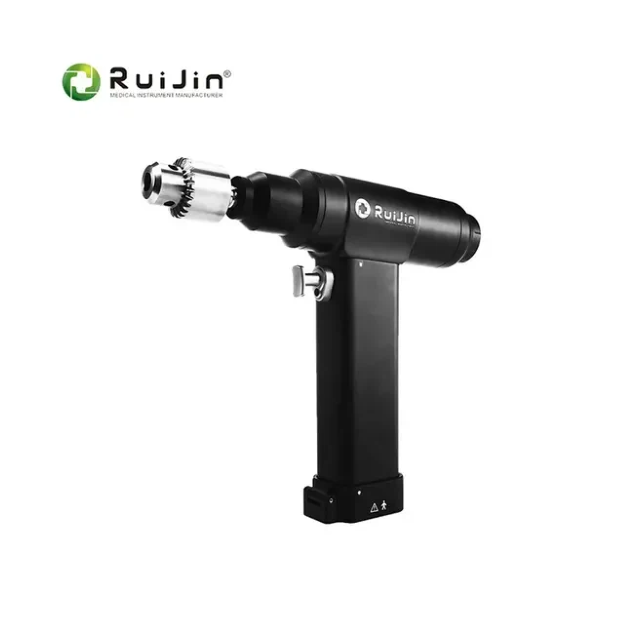
When choosing Bone Drilling Surgery Equipment, one of the key decisions to make is whether to opt for a battery-operated or wired bone drill. Both types of drills have their advantages and limitations, and the choice depends on the specific needs of the hospital and surgical team.
Battery-operated drills offer several advantages, including portability, ease of use, and the freedom to move around the operating table without being restricted by cords. These drills are especially useful in smaller operating rooms or when the surgical team needs flexibility and mobility. The lightweight design and rechargeable batteries make them ideal for long surgeries, as they reduce the burden on the surgeon.
However, battery-operated drills are limited by the lifespan of their batteries. Surgeons must ensure that batteries are fully charged before surgery, and replacements or recharges may be necessary during long procedures.
Wired drills, on the other hand, provide continuous power, making them ideal for long surgeries where uninterrupted performance is required. These drills are often more powerful than their battery-operated counterparts and are less likely to lose power during use. However, the main downside of wired drills is their lack of mobility. Surgeons may find themselves limited by the length of the cord, which can be cumbersome during procedures that require extensive movement.
Sterilization is a critical aspect of orthopedic surgery, as it ensures that the Bone Drilling Surgery Equipment is free from contaminants that could lead to infections. All instruments must be able to withstand sterilization processes, such as autoclaving, without being damaged or losing their functionality. Autoclavable drills are essential for maintaining a sterile environment in the OR.
Additionally, high-pressure sterilization standards must be followed to minimize the risk of infection. It is important that the equipment is made from materials that can tolerate the heat and pressure required during sterilization. By choosing sterilizable Bone Drilling Surgery Equipment, hospitals can ensure that their tools are safe and ready for use in every procedure.
Bone Drilling Surgery Equipment must be compatible with other surgical instruments and systems used in the operating room. For example, drills must work seamlessly with power tools, implant systems, and surgical instrument sets. Proper integration allows for smooth workflows and reduces the need for frequent adjustments during surgery.
At Ruijin Medical, we offer equipment that can easily integrate with existing OR systems, providing surgeons with the flexibility and control they need during procedures.
When purchasing Bone Drilling Surgery Equipment for a hospital, several factors must be considered to ensure that the equipment meets the specific needs of the surgical team:
Case Load: Hospitals with higher case volumes may require multiple drills or higher-performance models to handle the demands of frequent surgeries.
Specialty Needs: Depending on the specialties practiced at the hospital, different types of bone drills may be required, such as drills designed for spinal surgery, joint replacement, or trauma surgery.
Maintenance Support: It’s essential to choose a supplier that offers reliable maintenance and repair services to keep the equipment in optimal condition.
In conclusion, selecting the right Bone Drilling Surgery Equipment is crucial for ensuring successful orthopedic surgeries. By evaluating the core features such as power, ergonomics, and compatibility, hospitals can make informed decisions that enhance surgical precision and efficiency. At Ruijin Medical, we specialize in high-performance bone drills designed to meet the diverse needs of orthopedic procedures. Our products are built with advanced technologies and are backed by comprehensive support, making them an ideal choice for hospitals looking to improve surgical outcomes.
If you’re interested in learning more about our high-performance Bone Drilling Surgery Equipment or would like assistance in selecting the best tools for your hospital, please don’t hesitate to contact us at Ruijin Medical. Our team is dedicated to providing high-quality orthopedic tools that ensure optimal performance in every procedure.
1. What are the key features to consider when selecting bone drilling equipment?
Key features to evaluate include power and torque controls, ergonomics, speed regulation, and compatibility with surgical bits.
2. What is the difference between battery-operated and wired bone drills?
Battery-operated drills offer portability and flexibility, while wired drills provide continuous power and are ideal for long surgeries.
3. Are Ruijin Medical’s bone drills autoclavable?
Yes, all of our bone drills are autoclavable to ensure a sterile environment during surgeries.
4. How do I ensure that my bone drilling equipment is compatible with other OR tools?
When purchasing bone drills, ensure that the equipment is compatible with your hospital's existing surgical instrument sets and systems to ensure smooth integration.


