

Views: 0 Author: Site Editor Publish Time: 2026-02-02 Origin: Site


The success of orthopedic surgeries is significantly influenced by the tools used in the operating room. Surgeons require precision, reliability, and the ability to quickly adapt to various aspects of the surgery. The Multifunctional Drill Saw System is one such tool that has revolutionized orthopedic procedures. By combining the functionalities of a drill, saw, and reamer, this advanced system enhances surgical outcomes, increases efficiency, and improves patient recovery times. At Ruijin Medical, we are proud to provide this innovative system, designed to meet the needs of orthopedic surgeons across a variety of surgical procedures. In this article, we will explore why choosing a multifunctional system improves surgical outcomes, and how it benefits both surgical teams and patients.
Orthopedic surgeries often involve multiple tasks that require different specialized tools: a drill to create holes, a saw to cut bones, and a reamer to prepare bone surfaces for implants. Traditionally, surgeons needed to use each of these tools separately, leading to time-consuming transitions between instruments. The Multifunctional Drill Saw System eliminates this issue by combining all these functions in one device, offering numerous advantages over single-function tools.
The Multifunctional Drill Saw System typically includes the following features:
Drill Function: Allows surgeons to create precise holes in bones, which are necessary for inserting screws or pins to stabilize fractures or secure implants.
Saw Function: Provides a cutting mechanism for bone in procedures like osteotomy or joint replacement, enabling the surgeon to make precise cuts when necessary.
Reamer Function: Helps prepare the bone surface for the implantation of devices like prostheses, ensuring that the implant fits securely and aligns properly with the surrounding bone.
This all-in-one functionality offers multiple benefits:
Saves Time: With a single device capable of performing all the necessary tasks, surgical teams do not need to switch between multiple instruments, which reduces downtime and enhances efficiency.
Increases Precision: The seamless transition between drilling, sawing, and reaming reduces the likelihood of errors, improving the accuracy of the procedure.
Improves Ergonomics: By consolidating multiple tools into one, the Multifunctional Drill Saw System reduces the number of instruments surgeons need to handle, leading to improved comfort and decreased hand fatigue during long surgeries.
Incorporating multiple functions into a single tool streamlines the surgical process, improves surgical precision, and enhances overall workflow in the operating room.
In any surgical environment, particularly in high-volume hospitals or trauma centers, speed and efficiency are paramount. The Multifunctional Drill Saw System directly addresses these needs by reducing the number of instrument changes required during surgery.
For hospitals that handle a large number of orthopedic surgeries, whether it's trauma cases, joint replacements, or spinal procedures, time-saving tools like the Multifunctional Drill Saw System are essential. The system minimizes the time spent on instrument changes, ensuring that surgeries proceed smoothly and without unnecessary interruptions. This increase in efficiency allows for more surgeries to be performed in a day, which ultimately benefits both patients and healthcare facilities.
In addition to reducing the time spent changing instruments, the system allows surgeons to keep their focus on the surgery itself. The Multifunctional Drill Saw System ensures that all necessary tools are available within a single device, so there is no need for the surgeon to reach for different instruments during the procedure. This uninterrupted workflow leads to faster procedures, which is crucial in reducing the risks associated with longer surgeries.
Metric | Traditional Tools | Multifunctional System |
Average OR Time | Higher | Lower |
Instrument Changes | Frequent | Minimal |
Infection Risk | Higher | Reduced |
The table above highlights the significant improvements that a Multifunctional Drill Saw System provides compared to traditional tools. By reducing the number of instrument changes and shortening the duration of the surgery, the system helps improve surgical outcomes while also reducing the risk of infection.
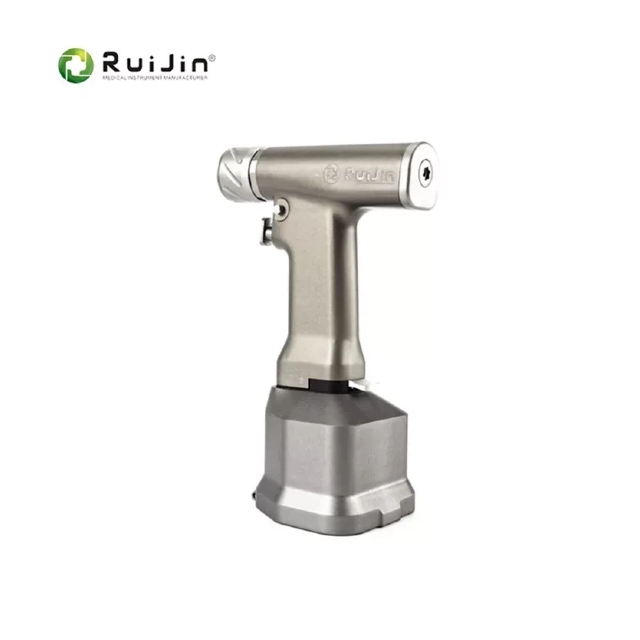
Precision is critical in orthopedic surgeries, and even small errors can lead to complications that extend recovery times or require additional procedures. The Multifunctional Drill Saw System enhances surgical control and precision by integrating all necessary functions into a single tool. Surgeons can easily adjust settings for each task, whether drilling, sawing, or reaming, ensuring that they are using the right tool for the job at all times.
One of the major advantages of using a Multifunctional Drill Saw System is the reduction in instrument swaps, which helps maintain a steady focus throughout the surgery. Surgeons don’t need to pause the procedure to change tools, which reduces the likelihood of errors. The system’s easy-to-use interface allows for seamless transitions between functions, ensuring that the surgical team can work efficiently and accurately without disruptions.
Having fewer instruments also contributes to a safer and more organized operating environment. When the surgical team is not constantly switching tools, there is less risk of contamination, and the procedure can proceed more smoothly, leading to better outcomes.
In addition to the clinical advantages, the Multifunctional Drill Saw System also offers significant cost savings and operational benefits for hospitals.
Traditional orthopedic surgery tools require individual sterilization processes, leading to higher costs for hospitals in terms of time, labor, and sterilization supplies. The Multifunctional Drill Saw System consolidates multiple tools into one, reducing the need for separate sterilization and storage. This not only lowers the costs associated with sterilization but also simplifies inventory management, as fewer instruments are required in the operating room.
Hospitals can reduce their inventory of surgical tools while still ensuring that the necessary instruments are available for any procedure. This can lead to significant cost savings and a more streamlined operating room.
The Multifunctional Drill Saw System excels in various orthopedic surgeries. Whether performing trauma surgery, joint replacements, or complex spinal procedures, this system provides surgeons with the versatility and efficiency they need to succeed. Below are some common cases where this tool is particularly beneficial:
In trauma surgery, where speed and precision are critical, the Multifunctional Drill Saw System offers the ability to quickly switch between drilling, sawing, and reaming without interruption. Surgeons can efficiently stabilize fractures, prepare bone surfaces, and ensure proper alignment with minimal disruption to the procedure.
Joint replacement surgeries require the precise preparation of bone surfaces and the insertion of implants. The Multifunctional Drill Saw System streamlines this process by providing a single tool that can handle all aspects of the surgery, from drilling holes for screws to sawing bone and reaming the joint cavity. This reduces the time needed to complete the surgery and improves the accuracy of implant placement.
For complex fixations, such as spinal or pelvic surgeries, the Multifunctional Drill Saw System provides the necessary precision to ensure that the bones are properly stabilized. The system allows surgeons to make precise cuts and holes, improving the effectiveness of the procedure and minimizing the risk of complications.
When selecting the best Multifunctional Drill Saw System for your practice, consider the following factors:
Modular Attachments: Choose a system with interchangeable attachments that can be used for various procedures, increasing the versatility of the tool.
Ergonomic Design: Look for a system with an ergonomic handle and controls that reduce fatigue and improve comfort during long surgeries.
Power Options: Consider whether a battery-operated or wired system is best suited to your hospital’s needs. Battery-operated systems offer more flexibility, while wired systems provide continuous power.
In conclusion, the Multifunctional Drill Saw System offers numerous benefits, from improving precision and reducing surgical time to enhancing patient safety and reducing costs. By consolidating multiple tools into a single system, surgeons can perform a variety of tasks more efficiently, ultimately leading to better surgical outcomes. At Ruijin Medical, we are committed to providing innovative and high-performance Multifunctional Drill Saw Systems that help surgeons deliver the best care possible. If you are interested in learning more about our products or need assistance in selecting the right system for your practice, please contact us today.
1. How does the Multifunctional Drill Saw System improve surgical efficiency?
By combining the functions of a drill, saw, and reamer into one system, the Multifunctional Drill Saw System reduces instrument changes, allowing for faster and more efficient procedures.
2. What are the key benefits of using a Multifunctional Drill Saw System?
The system increases precision, reduces instrument changes, enhances surgical control, and lowers sterilization and inventory costs.
3. Can the Multifunctional Drill Saw System be used in all orthopedic surgeries?
Yes, the system is versatile and can be used in a variety of orthopedic procedures, including trauma surgeries, joint replacements, and complex fixations.
4. How do I choose the best Multifunctional Drill Saw System for my hospital?
Consider the system’s modular attachments, ergonomic design, and power options to ensure it fits your hospital’s needs and enhances your surgical workflow.


