

Views: 0 Author: Site Editor Publish Time: 2025-12-01 Origin: Site


A Medical Bone Drill is one of the most essential instruments in modern orthopedic surgery. From fracture fixation to joint reconstruction and spinal surgery, the bone drill enables surgeons to cut, penetrate, and shape hard tissues with precision. For decades, it has served as a powerful extension of the surgeon’s hands, improving speed, accuracy, and surgical outcomes.
Understanding how a medical bone drill works is crucial not only for medical professionals but also for device distributors, hospital procurement teams, and anyone involved in orthopedic surgical equipment. This article takes an in-depth look into the working mechanism, internal structure, power system, safety design, and clinical applications of the medical bone drill.
By the end of this guide, you will clearly understand why the medical bone drill is indispensable in various surgical fields and what makes it such a reliable and efficient tool.
Before exploring how it works, it’s important to understand exactly what a Medical Bone Drill is. A medical bone drill is a powered surgical instrument specifically engineered for drilling, cutting, or shaping hard bone tissues in orthopedic procedures. Its precision, controllable speed, and torque output make it fundamentally different from industrial drills or hand tools.
A medical bone drill must meet strict medical standards including:
High accuracy
Consistent torque and speed
Lightweight ergonomic structure
Biocompatible and sterilizable materials
Safety features to prevent overheating
Compatibility with multiple drill bits and attachments
Its design allows surgeons to perform delicate work in high-stakes environments where accuracy determines the success of the surgery.
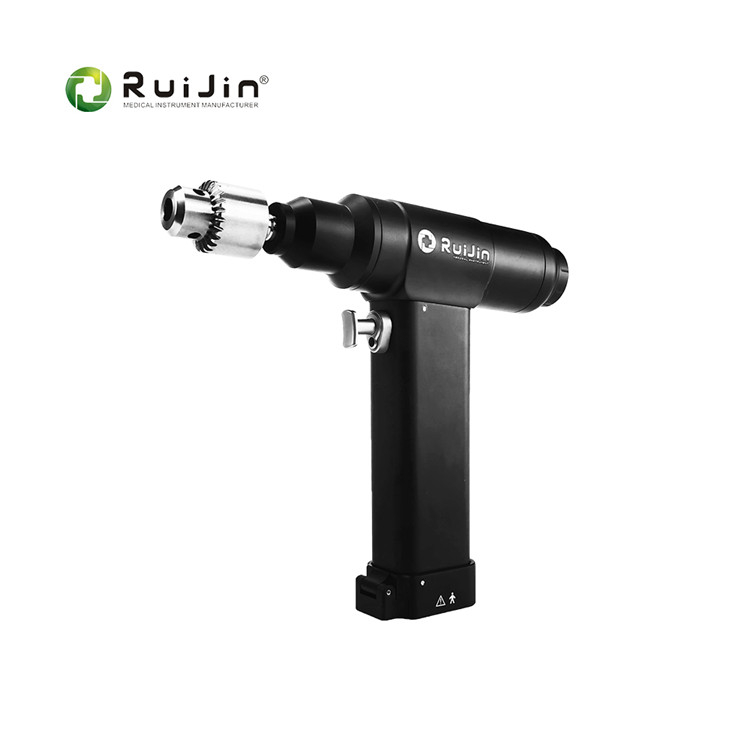
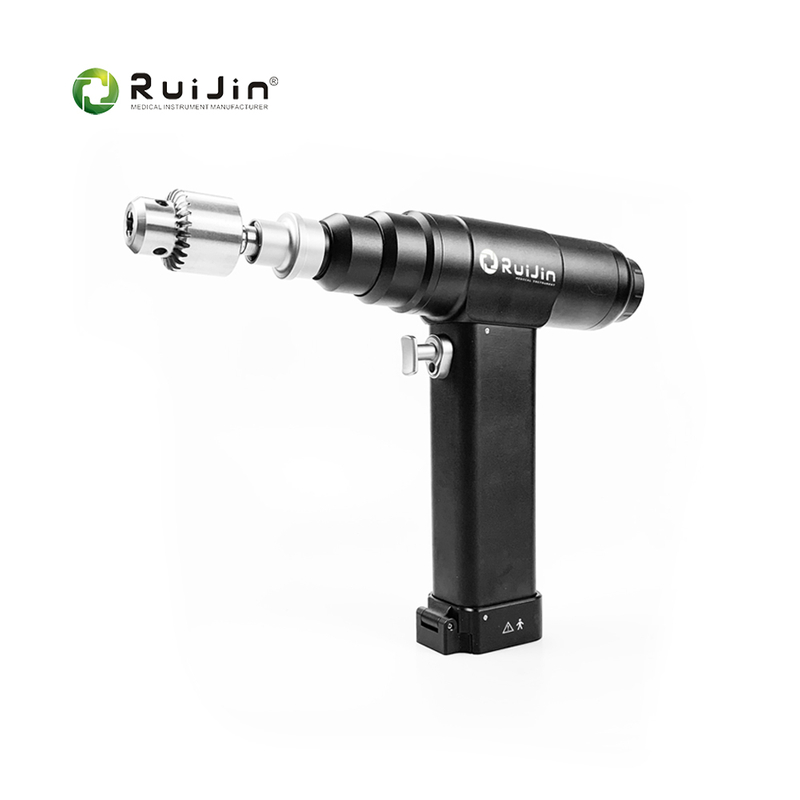
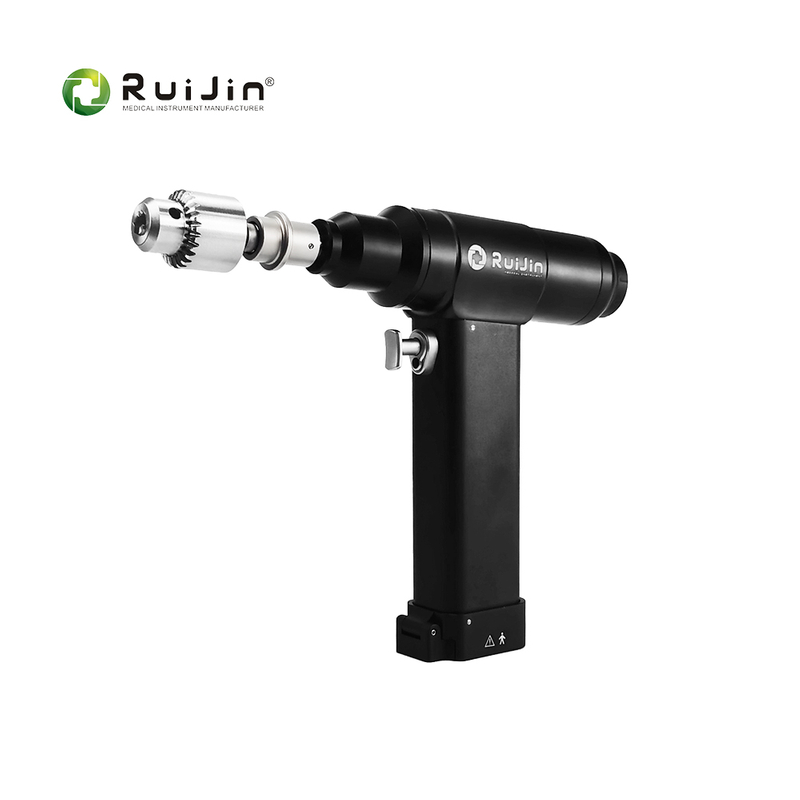
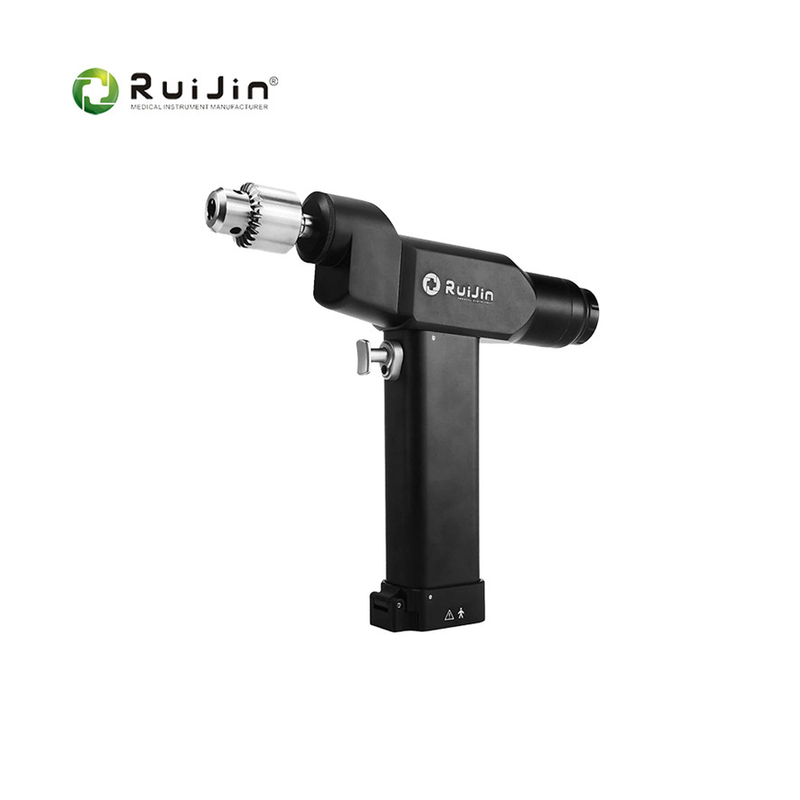
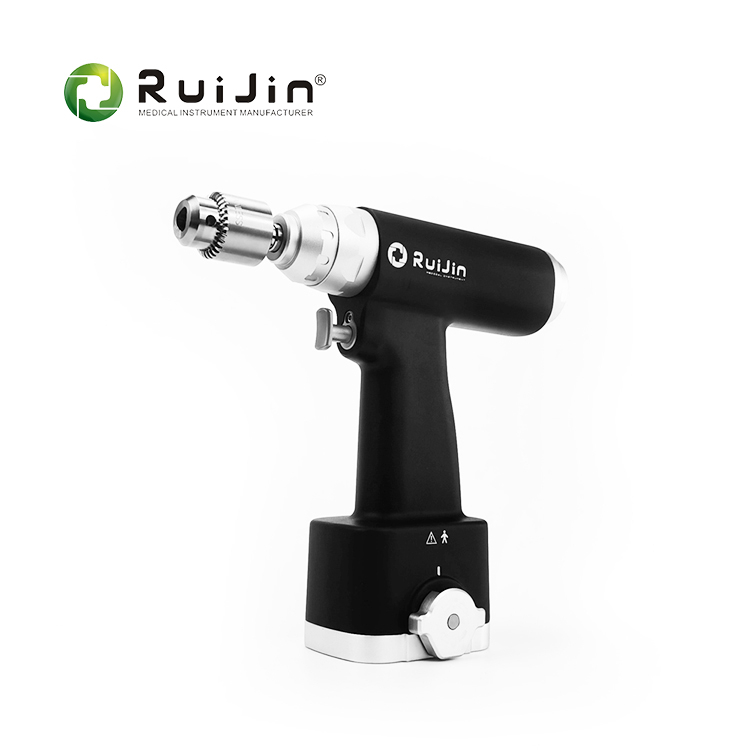
At its core, a medical bone drill operates by converting electrical, pneumatic, or battery power into rotational mechanical energy. This controlled rotational motion drives a drill bit that penetrates bone with optimized speed and force.
The core principle can be summarized in three steps:
The power source generates energy (electricity, compressed air, or battery output).
The internal motor converts this energy into rotational motion.
The rotation is transmitted to the drill bit, allowing it to cut into bone safely and efficiently.
Although the principle sounds simple, the internal engineering behind creating a stable, precise, medical-grade drilling performance is highly complex.
A medical bone drill contains several key components that work together to ensure safe and effective operation:
The motor is the heart of the device. Depending on the type of bone drill, the motor may be:
Electric motor
Pneumatic turbine motor
High-performance battery motor
Each type offers different speed and torque characteristics. Electric motors offer stability, pneumatic motors provide extremely high speed, and battery motors deliver mobility.
The transmission system transfers motor power to the drill bit. Precision engineering ensures:
Stable torque output
Minimal vibration
Smooth rotational movement
High reliability
Transmission components are usually made of hardened stainless steel or high-strength alloys.
This is the interface that holds the drill bit in place. It needs to:
Secure the drill bit tightly
Allow quick replacement
Maintain alignment during rotation
Medical chucks undergo rigorous testing to ensure safety in operating rooms.
A Medical Bone Drill can work with a wide range of drill bits depending on the surgery:
Standard drilling bits
Cannulated bits (for guide wires)
Reaming bits
Kirschner wire fixtures
High-speed cutting burrs
Different shapes and sizes provide versatility across orthopedic procedures.
Bone is sensitive to heat. Excessive heat can cause tissue necrosis. To prevent risks, medical bone drills include:
Heat-resistant materials
Optimized blade geometry
Ventilation channels
Water cooling systems (in some models)
Speed control to reduce friction heat
These features protect bone tissue during drilling.
A high-quality medical bone drill includes built-in safety mechanisms such as:
Torque limiting
Anti-slip handles
Automatic shutoff
Overheating protection
Anti-vibration structure
These ensure controlled drilling even in complex procedures.
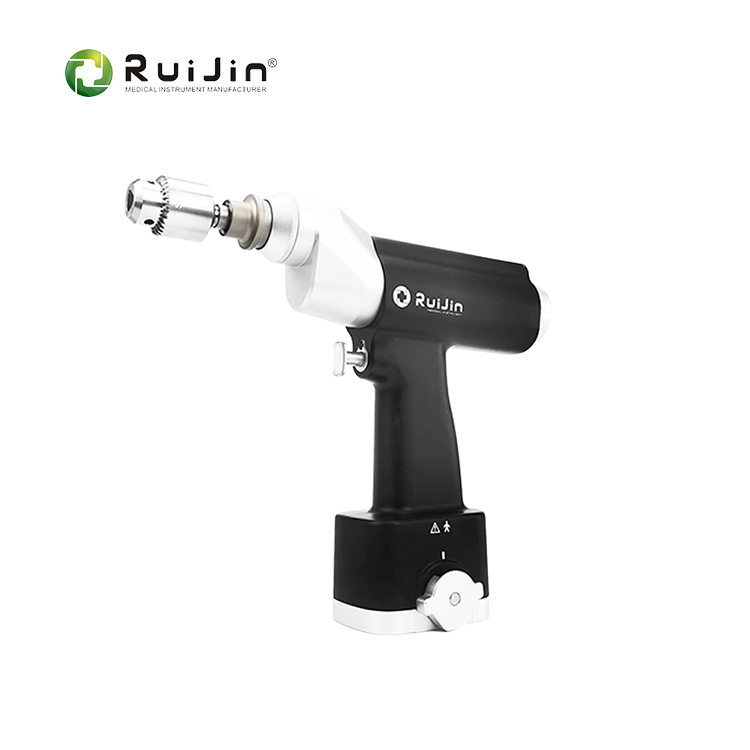
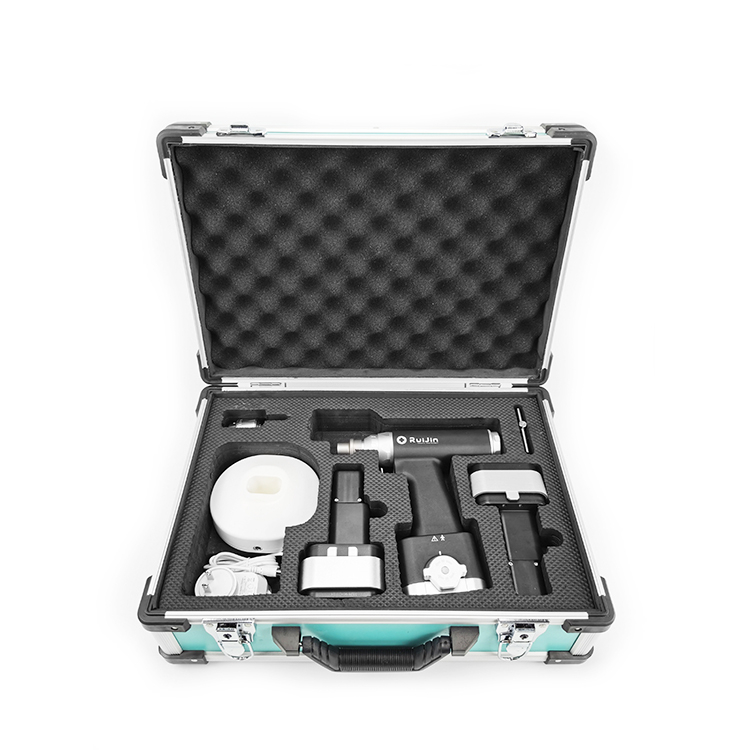
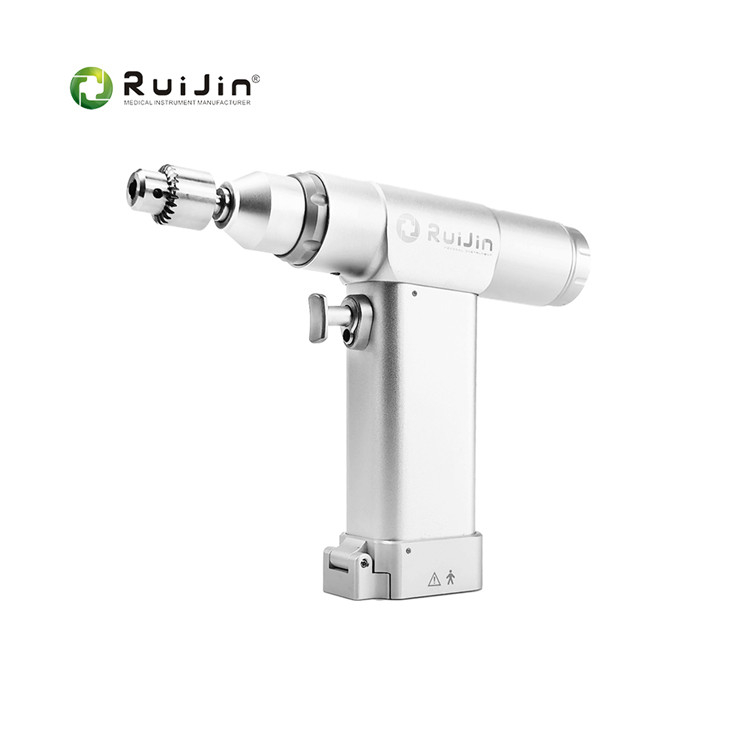
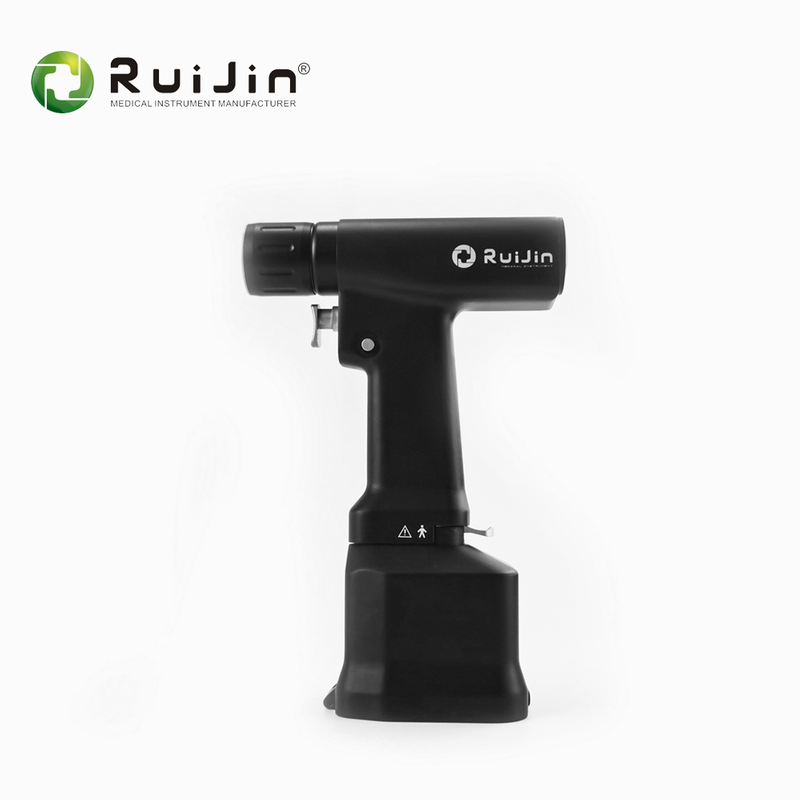
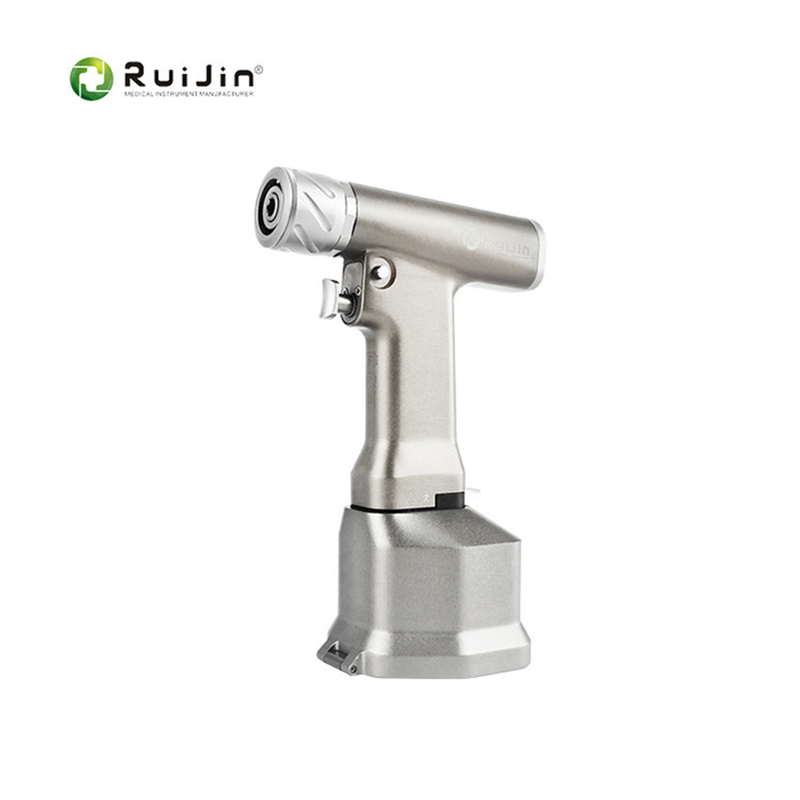
To understand the operational workflow of a Medical Bone Drill, we must examine how surgeons use the device during actual procedures.
Before operating, surgeons ensure that:
The drill is sterilized
The correct drill bit is selected
Battery or power source is fully ready
Speed settings are adjusted
Surgical field is properly exposed
Proper preparation ensures smooth operation.
The drill is activated by pressing a trigger or switch. Depending on its design:
Electric drills receive stable current
Pneumatic drills receive controlled airflow
Battery drills draw energy from lithium packs
The motor immediately begins generating rotational torque.
The motor drives the transmission system, which rotates the drill bit at speeds ranging from:
300–1,200 rpm for orthopedics
Up to 80,000 rpm for high-speed neurosurgical tasks
Surgeons adjust speed based on:
Bone hardness
Surgical depth
Implant size
Required precision
The surgeon brings the rotating drill bit into contact with the bone surface. The drill begins cutting with:
Controlled downward pressure
Stable torque
Minimal vibration
Sharp, medical-grade bits ensure clean penetration and reduce tissue trauma.
As the drill penetrates bone, bone dust and small fragments accumulate. Drills often include design features that help remove debris:
Spiral grooves on the bit
Suction systems
Irrigation channels
Clear visibility keeps surgery safe and accurate.
Once the hole is created, surgeons can insert:
Screws
Anchors
Intramedullary nails
Fixation plates
The medical bone drill may also assist in shaping bone surfaces or preparing implant beds.
The working mechanism varies slightly depending on the drill type. Below is a breakdown of the most common types.
Electric drills work by converting electrical current into rotational motion through an electric motor.
Key features:
Consistent torque
High control precision
Adjustable speed settings
Low noise output
Electric bone drills are often used in major orthopedic procedures.
A pneumatic Medical Bone Drill uses compressed air to power a turbine motor.
Working characteristics:
Extremely high speed
Very low heat generation
Lightweight structure
High durability
Used in neurosurgery, maxillofacial surgery, and high-speed cutting.
Battery-powered drills are widely used in emergency and mobile medical environments.
How they work:
Lithium-ion batteries provide energy
Power is converted to rotational movement
Speed is controlled electronically
Surgeons can operate without cables
These drills offer maximum mobility.
This drill has a hollow interior channel allowing guide wires to pass through.
How it works:
Drill bit rotates around a central hollow axis
Guide wire ensures perfect drilling trajectory
Used for minimally invasive orthopedic procedures
Ideal for fracture fixation and percutaneous pinning.
Reaming drills enlarge or shape existing holes.
Working method:
High torque output
Wide cutting surface
Stable linear drilling
Common in joint replacement and intramedullary nailing.
Speed and torque determine drilling efficiency and safety.
Higher speed reduces drilling time but increases heat. Lower speed offers better control. Surgeons often balance both depending on bone density.
Torque represents rotational force. High torque is essential for:
Penetrating dense bone
Driving large screws
Maintaining stability during drilling
A good medical bone drill offers stable torque throughout the procedure.
To ensure patient safety, surgeons follow strict safety protocols:
Correct bit selection
Proper sterilization
Appropriate pressure application
Avoiding overheating
Using irrigation when necessary
Monitoring drill performance
Ignoring these factors may lead to complications such as bone necrosis or improper hole positioning.
Proper maintenance ensures a long lifespan and consistent performance:
Clean immediately after use
Lubricate mechanical parts
Inspect drill bits frequently
Replace worn components
Sterilize using approved methods
Calibrate speed settings regularly
High-quality maintenance increases surgical success rates.
Medical bone drills continue to evolve. Future advancements may include:
Smart torque control
AI-assisted drilling
Ultra-light composite materials
Robotic-assisted orthopedic drilling
Wireless charging systems
Temperature feedback sensors
These innovations will improve safety, speed, and surgical precision.
Understanding how a medical bone drill works highlights the complexity and precision behind this essential surgical tool. From its power system to its safety mechanisms and clinical uses, every component is carefully engineered to support successful orthopedic outcomes.
Selecting the right medical bone drill is critical for hospitals, surgical teams, and distributors.
Wuhu Ruijin Medical Instrument & Device Co., Ltd., founded in 2007, is a national high-tech enterprise focused on the R&D and production of orthopedic surgical power tools. With advanced automated manufacturing equipment, over 13 years of industry experience, and product distribution across more than 100 countries, Ruijin is committed to providing reliable, high-performance medical bone drills that support surgeons worldwide and contribute to better patient care.
1. What powers a Medical Bone Drill?
It may be powered by electricity, compressed air, or rechargeable batteries depending on the model.
2. Are Medical Bone Drills reusable?
Yes, most are designed for repeated sterilization and long-term use in clinical environments.
3. How do surgeons control the drill speed?
Speed is adjusted through electronic controls or built-in triggers that regulate motor output.
4. Do Medical Bone Drills overheat during surgery?
High-quality drills include cooling systems, optimized design, and speed management to prevent overheating.
5. What types of drill bits are used with Medical Bone Drills?
Common types include standard bits, cannulated bits, reamers, burrs, and specialized orthopedic bits.


