

Views: 0 Author: Site Editor Publish Time: 2025-11-26 Origin: Site


A Medical Bone Drill is one of the most essential instruments in orthopedic surgery. It supports a wide range of procedures involving cutting, drilling, shaping, and fixing bones. As technology continues to advance, modern bone drills have evolved into highly precise, ergonomic, and multi-functional surgical tools. Whether used for fracture fixation, joint replacement, or trauma repair, the medical bone drill plays a decisive role in improving surgical accuracy and patient outcomes.
This article provides a comprehensive overview of the medical bone drill, including its definition, working principles, types, applications, features, sterilization requirements, and how to select the right orthopedic drill for clinical use. It is designed to help healthcare professionals, medical distributors, and buyers understand the full landscape of orthopedic surgical drilling tools.
A Medical Bone Drill, also known as an orthopedic surgical drill, is a powered tool specifically engineered to cut hard tissues such as bone. Unlike common drills used in construction or manufacturing, orthopedic drills must meet strict medical requirements, including:
High precision
Stable torque output
Biocompatible materials
Compatibility with sterilization methods
Lightweight and ergonomic design
Minimal heat generation
The purpose of a medical bone drill is not only to create holes in bones but to do so safely, efficiently, and with controlled force. Surgeons rely on this tool for accuracy, especially when inserting screws, wires, or fixation devices.
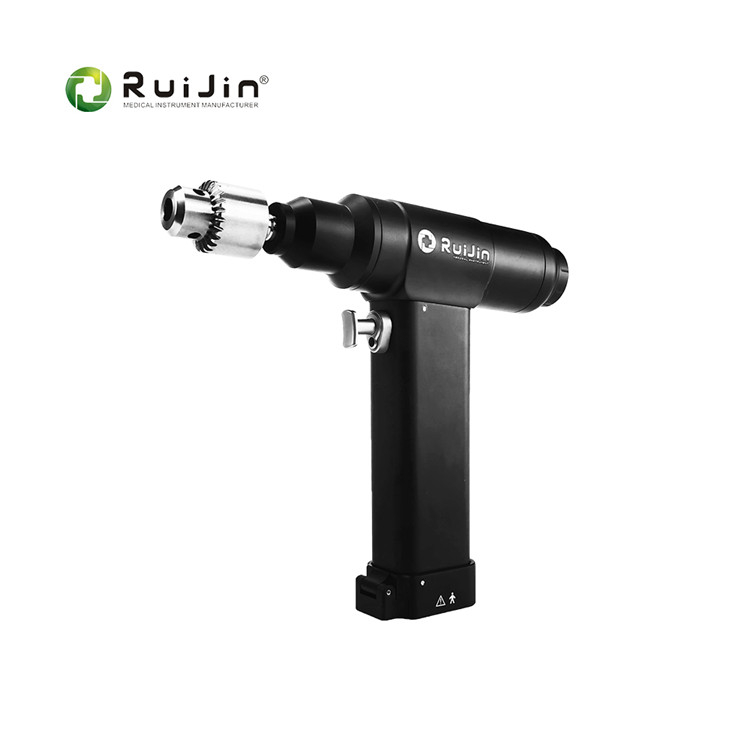
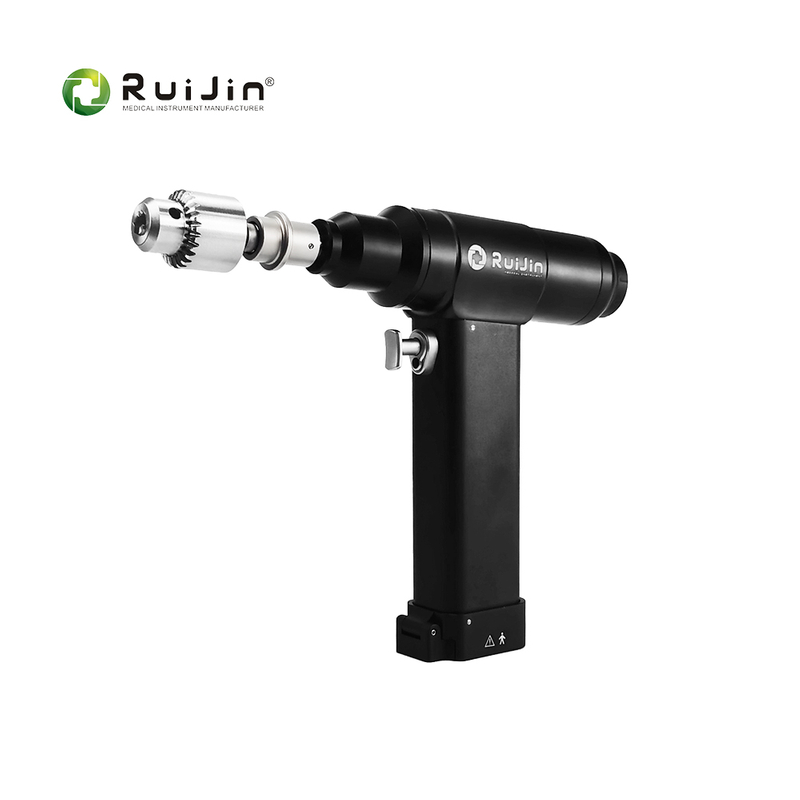
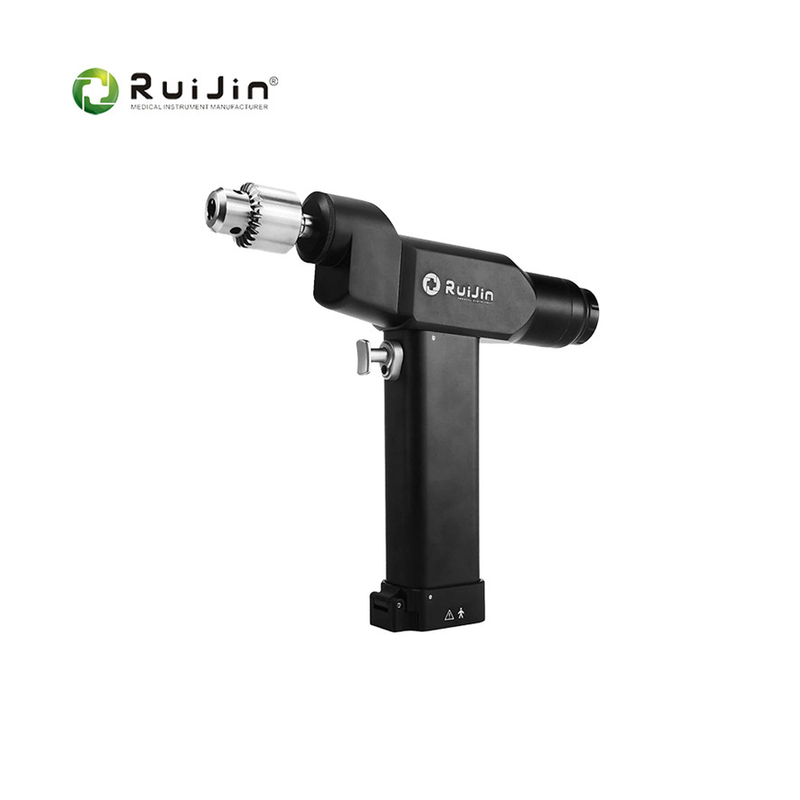
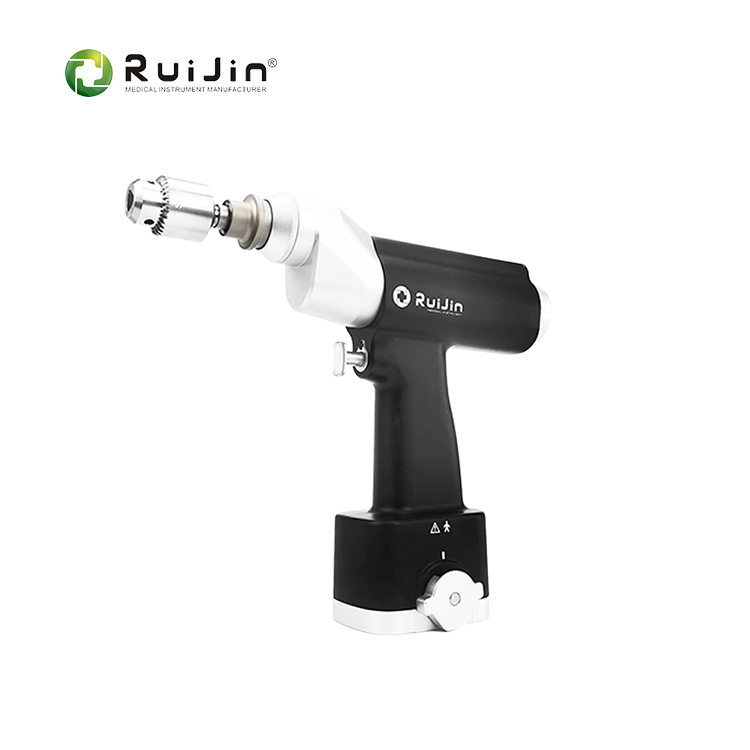
The working principle of a medical bone drill combines mechanical rotation, motor-driven power, and specialized drill bits designed for surgical applications. During operation:
The motor produces rotational force (torque).
This can be powered by electricity, battery, air pressure, or hydraulic systems depending on the drill type.
The rotational motion drives the drill bit, allowing it to penetrate bone with minimal vibration.
Speed and torque are controlled precisely, allowing surgeons to operate safely and make micro-adjustments during drilling.
Specialized mechanisms prevent overheating, such as water cooling systems, optimized blade geometry, and low-friction materials.
Safety features such as speed limitations and automatic shutoff protect both patient and surgeon during use.
Medical bone drills come in several categories, each with unique functions tailored to specific surgical tasks. Understanding the main types helps users choose the right instrument for each clinical scenario.
Electric bone drills are widely used in orthopedic surgery due to their stable performance and flexible power options. Common features include:
Consistent torque output
High rotational speeds
Rechargeable battery or direct power supply
Low noise and vibration
Electric drills are often used in general orthopedic procedures, trauma surgeries, and minimally invasive operations.
A pneumatic medical bone drill uses compressed air to generate power. It is often selected for procedures requiring extremely high drill speeds or environments where electrical interference must be minimized.
Advantages:
Very high rotational speed
Less heat generation
Safe in high-risk surgical environments
Durable and reliable for long procedures
Pneumatic drills are commonly used in neurosurgery, dentistry, and high-speed orthopedic cutting tasks.
Battery-powered drills are becoming increasingly popular in modern surgical settings, especially in emergency and field operations. Their key benefits include:
Total mobility
No need for external cables
Strong torque for orthopedic screw insertion
Quick-swap battery packs
Battery-based medical bone drills are ideal for trauma surgery, battlefield use, and mobile medical teams.
Reaming drills are designed specifically for enlarging existing holes, shaping intramedullary canals, or preparing bones for implants. They are widely used in:
Joint replacement
Intramedullary nail insertion
Tumor removal
Bone cavity preparation
These drills must maintain precision to ensure implant stability and longevity.
A cannulated medical bone drill features a hollow center, allowing guide wires to pass through the drill bit. This design enhances accuracy in procedures such as:
Fracture fixation
Percutaneous pinning
Mini-invasive orthopedic surgery
Because of their structure, cannulated drills help surgeons operate with minimal tissue disruption.
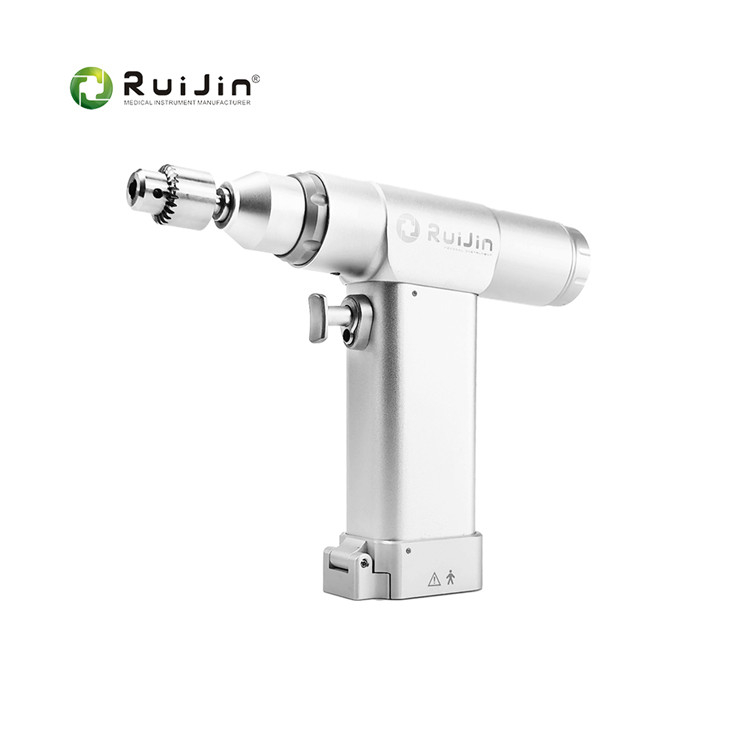
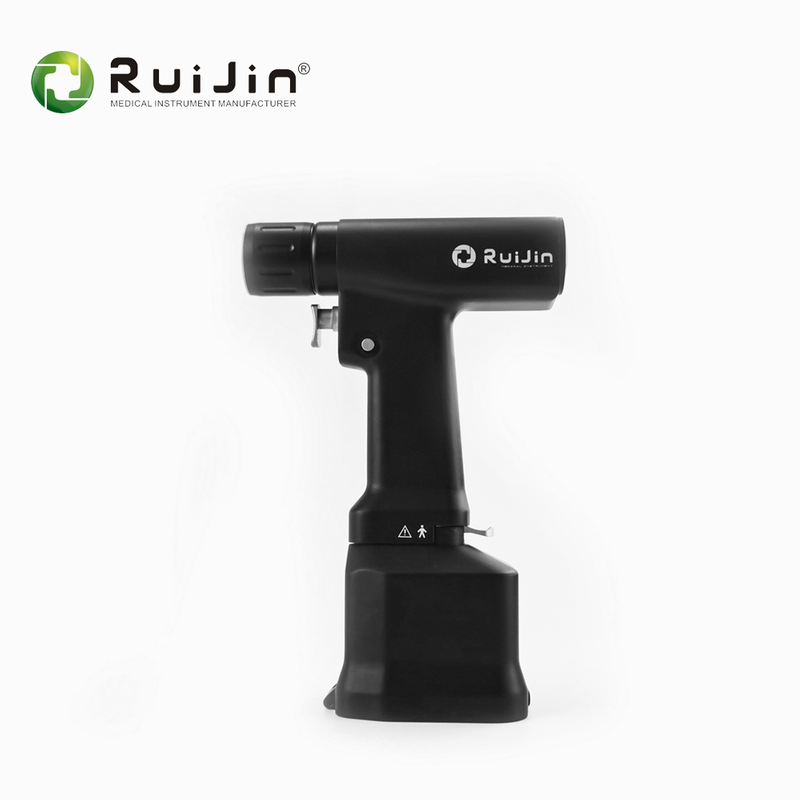
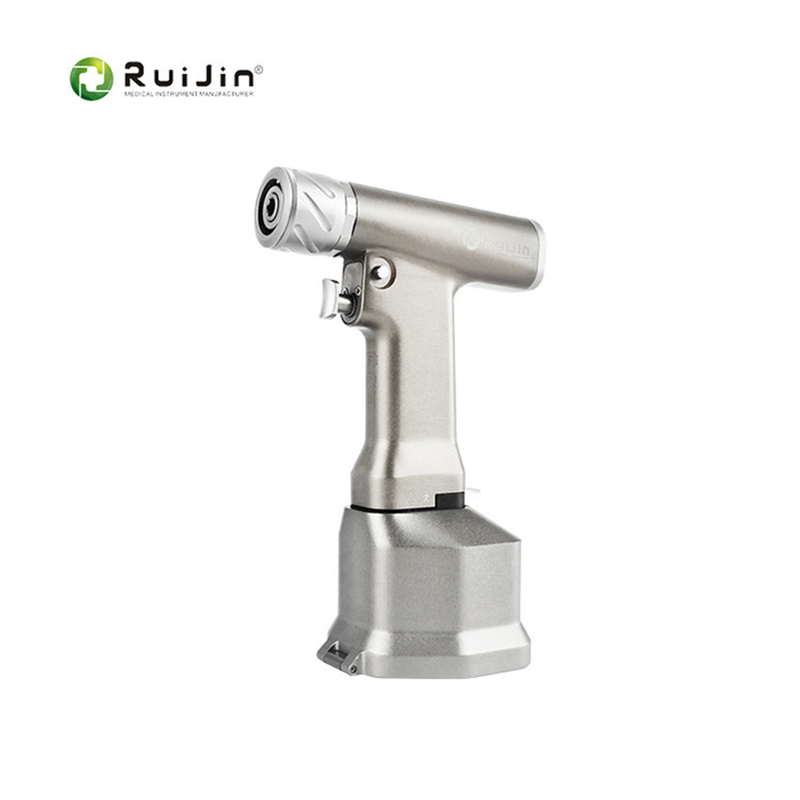
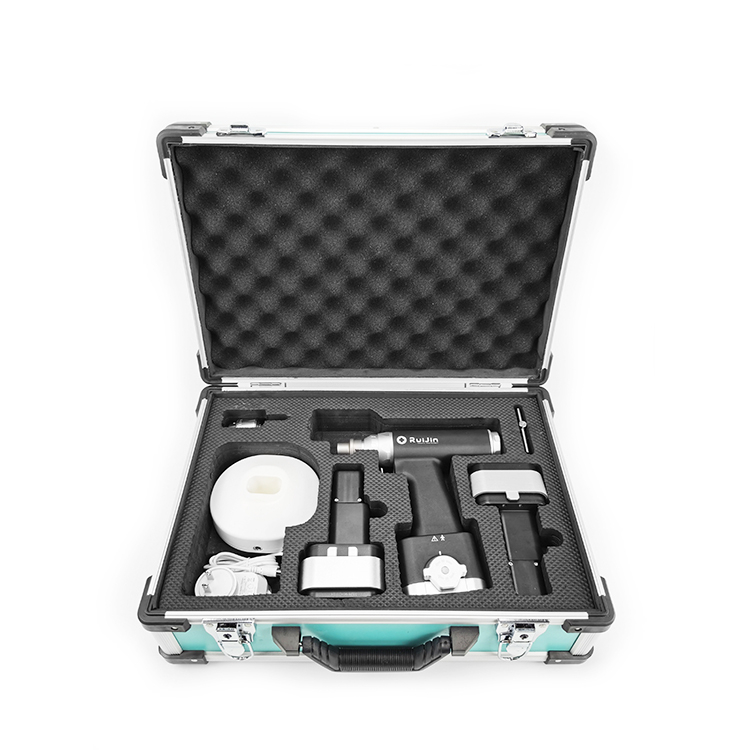
The medical bone drill plays an indispensable role in several surgical fields. Its most common applications include:
In trauma cases like fractures, dislocations, and bone shattering injuries, the medical bone drill is crucial for:
Drilling fixation holes
Inserting screws and plates
Bone stabilization
Temporary fixation with K-wires
Without precise drilling, orthopedic reconstruction cannot be performed safely.
In procedures such as knee or hip replacements, accurate bone preparation is essential. Surgeons use medical bone drills to:
Remove damaged bone
Shape bone surfaces
Prepare the joint cavity
Fix implant components
High-power drills ensure both precision and efficiency.
Spinal procedures require extremely precise drilling due to the risk of damaging nerves and the spinal cord. Drills are used for:
Pedicle screw insertion
Spinal fusion
Decompression surgery
Disk replacement
Low vibration and high stability are key requirements.
In complex cranial operations, medical bone drills help in:
Skull drilling
Cranial flap creation
Facial reconstruction
ENT procedures
These drills often operate at ultra-high speed for maximum control.
Medical bone drills are also widely used in animal surgeries for:
Fracture repair
Joint surgery
Dental operations
Bone plate fixation
Veterinary models share similar features with human orthopedic drills.
A reliable Medical Bone Drill must meet strict clinical and engineering standards. Below are the most important features surgeons look for:
Power determines how effectively a drill penetrates dense bone. Torque must be stable to maintain consistent drilling depth and speed.
Multiple speed settings give surgeons the ability to adjust performance based on:
Bone type (dense or soft)
Surgical complexity
Implant specifications
Smooth speed adjustment ensures safe bone penetration.
Since surgeries often last hours, the drill should offer:
Comfortable grip
Lightweight body
Balanced weight distribution
Non-slip surfaces
Ergonomics help reduce fatigue and improve precision.
Modern surgical drills use internal shock absorption and noise reduction technology to minimize distractions and improve safety during operations.
Medical bone drills must be constructed from high-grade, biocompatible materials such as:
Stainless steel
Aluminum alloy
High-strength polymers
These materials ensure long-term performance and withstand repeated sterilization.
Orthopedic drills must be compatible with:
High-temperature autoclaving
Steam sterilization
Disinfection protocols
A reliable device should withstand hundreds of sterilization cycles without damage.
For battery-powered medical bone drills, key considerations include:
Long battery endurance
Fast charging time
Stable voltage output
Backup battery availability
This is essential to avoid interruptions during surgery.
Safety is a top priority in orthopedic surgery. Key safety measures include:
Ensuring drill bits are sharp and properly attached
Avoiding excessive pressure during drilling
Maintaining adequate cooling to prevent heat damage
Using torque-limiting features to reduce tissue trauma
Verifying sterility before each procedure
Surgeons must be trained in proper operation to minimize risks.
When selecting a medical bone drill, hospitals and distributors should evaluate:
Surgical requirements – trauma, spine, joint replacement, minimally invasive surgery
Drill type – electric, pneumatic, battery-powered
Performance specifications – torque, speed, noise level
Ergonomic design – comfort and handling
After-sales support – repair, maintenance, spare parts
Certifications – CE, ISO, FDA (where applicable)
Budget and cost-effectiveness
Reliable suppliers should also provide training, warranties, and technical support.
To ensure longevity and safe performance, regular maintenance is essential:
Clean immediately after use
Lubricate moving parts as required
Inspect battery health
Replace worn drill bits
Store in a controlled environment
Follow sterilization guidelines strictly
Proper care extends the device’s operational life and reduces surgical risks.
Innovation in orthopedic tools continues to advance rapidly. Future medical bone drills may include:
AI-assisted drilling systems
Robotic surgical integration
Real-time bone density feedback
Ultra-lightweight composite materials
Wireless charging technology
Smart torque control algorithms
These developments will support more precise and minimally invasive surgeries.
A Medical Bone Drill is a cornerstone of modern orthopedic and trauma surgery. Its precision, power, and reliability directly impact surgical outcomes, recovery time, and long-term implant stability. Choosing a high-quality drill ensures not only better clinical performance but also enhanced safety for patients and surgeons.
At this point, selecting a trusted manufacturer becomes crucial.
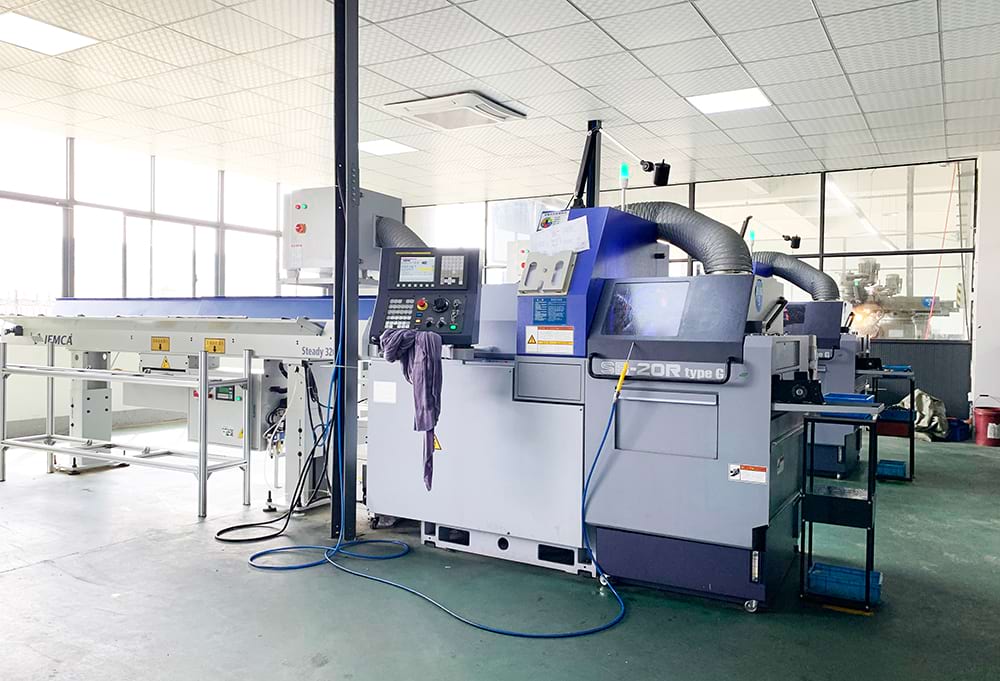
Wuhu Ruijin Medical Instrument & Device Co., Ltd., founded in 2007, is a national high-tech enterprise specializing in orthopedic power tools. With over 13 years of expertise, advanced automated production equipment, and a global distribution network spanning more than 100 countries, Ruijin is committed to delivering reliable, innovative, and high-performance medical bone drills that support surgeons worldwide and contribute to better patient outcomes.
1. What is a Medical Bone Drill used for?
It is used to cut and drill bone during orthopedic procedures such as trauma repair, joint replacement, and spinal surgery.
2. Is a medical bone drill reusable?
Yes, most professional models are reusable and designed to withstand repeated sterilization.
3. What types of power sources do bone drills use?
Medical bone drills can be electric, pneumatic, or battery-powered depending on surgical needs.
4. How do surgeons control drilling accuracy?
They use adjustable speed settings, torque control, and specialized drill bits to maintain precision.
5. How long does a medical bone drill last?
With proper maintenance and sterilization, a high-quality medical bone drill can last for many years in clinical use.


