

Views: 0 Author: Site Editor Publish Time: 2025-12-15 Origin: Site


In modern orthopedic and trauma surgery, one of the most fascinating tools used by surgeons is the medical bone saw. It can cut through dense human bone with remarkable precision, yet it does not typically cut soft tissues such as skin and muscle when used correctly. This unique feature often surprises patients and even medical students who are unfamiliar with the engineering principles behind surgical power tools.
Unlike ordinary saws, a medical bone saw is specifically designed for hard-tissue cutting. Its structural design, oscillation mechanics, blade geometry, and operating frequency allow it to pass harmlessly over soft tissue while effectively cutting dense bone. This article explains the science behind the phenomenon, the engineering mechanisms involved, and why medical bone saws are safe and effective when operated by trained surgeons.
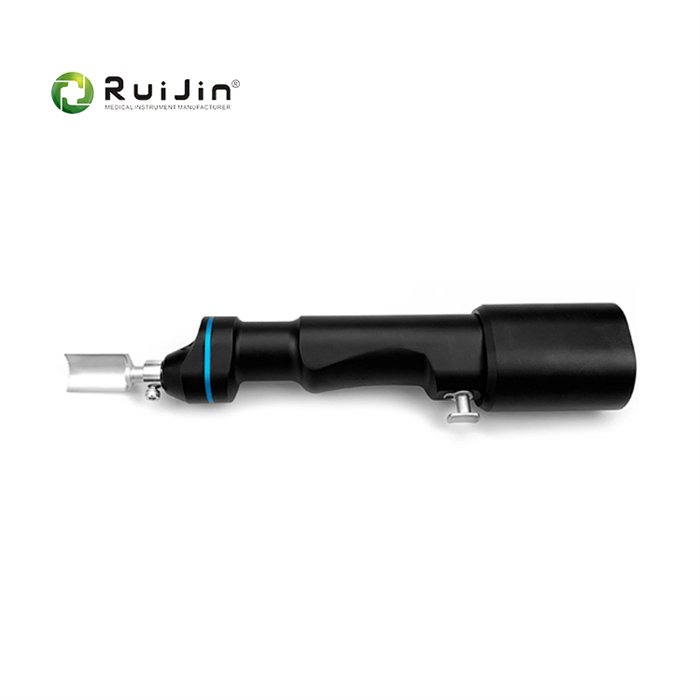
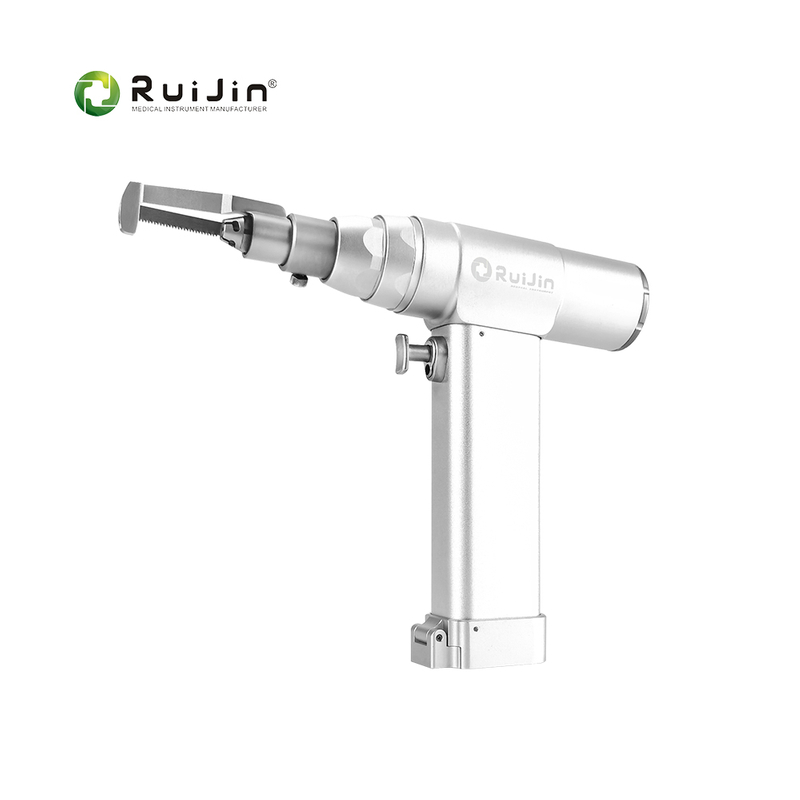
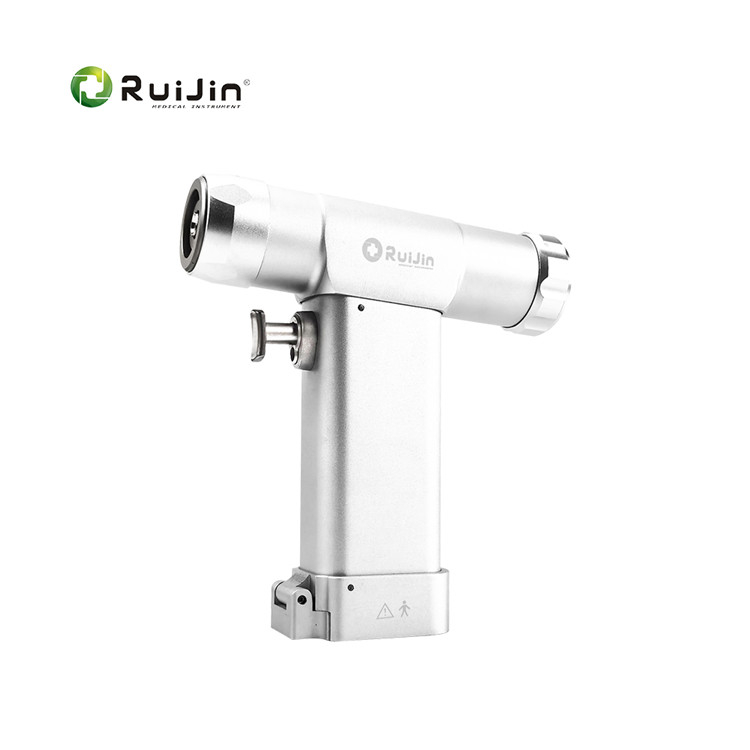
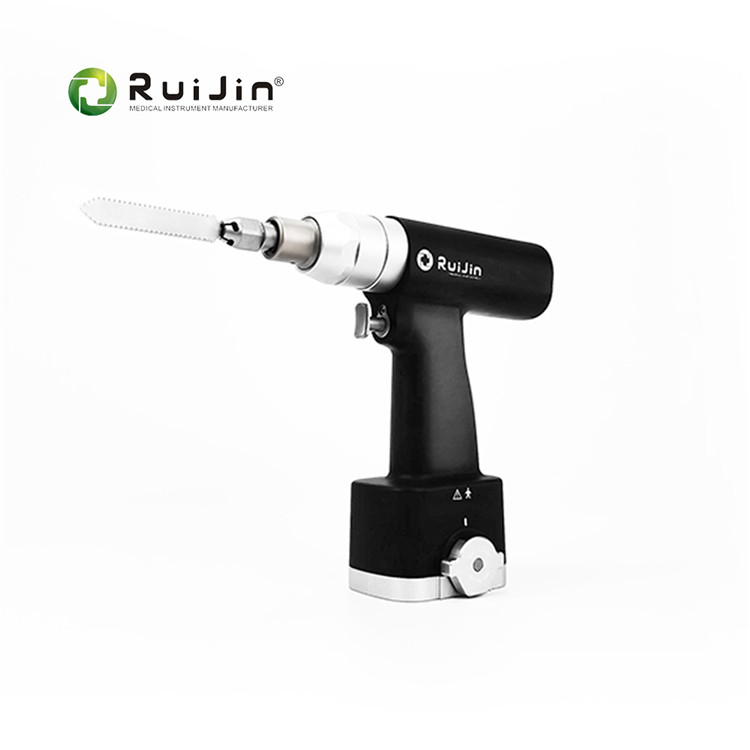
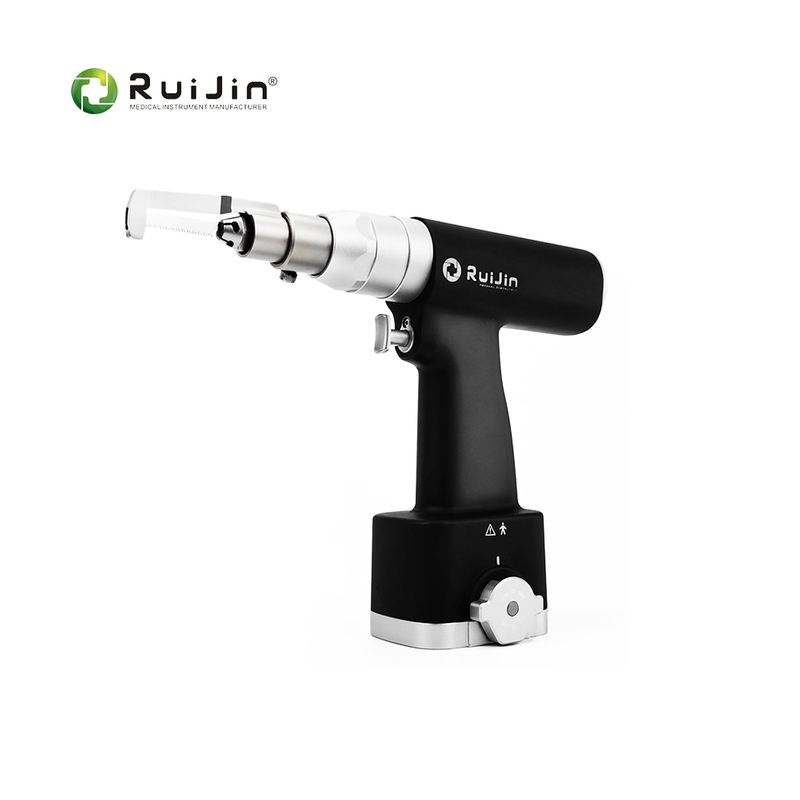
A medical bone saw is a specialized power tool used to cut, shape, or remove bone during surgeries such as:
Joint replacement
Trauma and fracture repair
Spinal surgery
Craniotomy
Amputation
Orthopedic corrections
Different surgical procedures require different saw technologies:
The most common type, especially in orthopedic and trauma surgery.
Its blade moves rapidly side-to-side through a tiny arc, typically between 2–7 degrees.
The blade moves forward and backward in short, linear strokes.
Used in deep or narrow spaces (e.g., thoracic surgery).
A variation of oscillating saw designed for high precision in joint surgeries.
Used to remove orthopedic casts; the vibration design allows it to cut plaster but not skin.
Although different in construction, all of these surgical saws share one fundamental operational principle:
they selectively cut hard tissue while sparing soft tissue.
The central question is:
How can a device powerful enough to cut bone avoid cutting soft tissue like skin, muscle, ligaments, and blood vessels?
The answer lies in four major engineering principles:
Bone is far denser and more rigid compared to soft tissue.
When the vibrating or oscillating blade contacts bone, the bone resists deformation, allowing the blade to cut.
Soft tissue, however, flexes and moves away from the blade’s vibrations.
Many medical bone saws operate at 10,000–20,000 oscillations per second.
This level of vibration is too fast for soft tissue to “catch” the blade.
Instead, the skin moves with the saw rather than being penetrated by it.
Unlike a woodworking saw, a medical bone saw has a microscopic cutting stroke:
Oscillating arc: only a few degrees
Reciprocating stroke: usually under 1 mm
This extremely small movement creates cutting action only when encountering rigid material.
The teeth on bone saw blades are engineered specifically for dense, mineralized tissue.
Soft tissue simply cannot engage the teeth deeply enough to be cut.
These four principles explain why the saw can cut bone effectively while essentially “bouncing off” soft tissue when used properly.
The oscillating bone saw is the most widely used because of its soft-tissue–sparing behavior. Understanding its design clarifies why surgeons rely on it.
The saw blade vibrates side-to-side at a controlled amplitude.
Hard bone remains stationary enough to be cut.
Soft tissue, however, vibrates with the blade, preventing the teeth from penetrating.
A bone saw requires downward pressure to cut bone.
Without this pressure, the blade merely touches soft tissue harmlessly.
This property is not an added safety feature—it is inherent to oscillating saw engineering.
A medical bone saw simply cannot generate cutting friction on softer materials under normal operating conditions.
There are three reasons soft tissue remains unharmed:
Soft tissue moves away from the blade due to vibration.
The saw blade does not sink into the tissue.
Cutting bone requires significantly higher energy.
The saw delivers this energy only when resisted by rigid surfaces.
Even if the saw touches soft tissue, the movement is too short to create a slicing effect.
The medical cast saw is often used to demonstrate this principle.
It vibrates rapidly and cuts only rigid materials, making it safe for removing plaster or fiberglass while protecting the underlying skin.
Surgeons use oscillating bone saws to shape bone surfaces while soft tissues remain pushed aside or protected by retractors.
High-speed medical bone saws cut through skull bone but do not penetrate the dura mater or brain tissue when used correctly.
For a medical bone saw, two technical specifications matter the most:
Higher frequencies improve bone-cutting efficiency while reducing skin injury risk.
Lower amplitude (small side-to-side motion) protects soft tissues and maintains accuracy.
Manufacturers carefully balance these two values to ensure both cutting power and safety.
Despite its soft-tissue–sparing design, a medical bone saw can still cause injury if misused.
Important considerations include:
If the surgeon applies too much force, the saw may “grab” soft tissue briefly.
Using a blade designed for another purpose (e.g., high-aggressive teeth) increases risk.
A distorted blade may behave unpredictably.
Accidental misuse, contact with unprotected tissues, or improper retraction methods can still cause trauma.
Thus, the tool is safe in trained hands, not inherently harmless.
| Feature | Medical Bone Saw | Traditional Wood Saw |
|---|---|---|
| Motion | Oscillation or short linear strokes | Large linear strokes |
| Cutting Target | Bone | Wood |
| Effect on Skin | Usually does not cut | Easily cuts |
| Stroke Length | Very short (0.2–1 mm) | Long strokes |
| Frequency | Up to 20,000 oscillations/sec | Hand motion or low power |
| Blade Teeth | Small, fine, designed for bone | Large teeth |
These differences demonstrate why a medical bone saw behaves so differently.
A key principle is that bone absorbs the energy of oscillation, while skin deflects it.
Bone acts as a rigid body, causing the blade to bite into it.
Soft tissue acts like a shock absorber, dissipating the blade’s energy.
Bone resonates differently under vibration—soft tissue moves with the blade.
This combination allows selective cutting.
Incorrect. They do not easily cut skin, but improper use can cause damage.
No.
High-speed rotary craniotomes and powered amputation saws can cut soft tissue if not used properly.
Under sufficient pressure, any saw can cut skin.
Only precision-engineered medical saws have this selective cutting property.
Surgeons rely on multiple safeguards:
Move muscle and skin away from the operating zone.
Limit exposure to unintended surfaces.
Surgeons maintain direct line of sight during cutting.
Positioning ensures only bone is engaged with the blade.
To ensure selective tissue cutting, medical bone saws incorporate advanced designs:
Delivers consistent oscillation without large motion.
Reduces vibration transfer to soft tissues.
Stainless steel or titanium blades optimized for bone.
Allows cutting at different angles and depths while minimizing collateral contact.
Although a medical bone saw is engineered to not cut skin easily, it is not a toy. Limitations include:
High-frequency vibration can cause superficial damage.
It does not deflect vibration as effectively as muscle or skin.
Angled positioning may cause slicing effect.
Sterilization ensures that the bone saw functions smoothly and safely.
Contaminated saws may introduce infection or reduce the smooth oscillation required for safe cutting.
Steam autoclave for most saw handpieces
Low-temperature plasma sterilization for heat-sensitive components
Complete drying to avoid corrosion
A medical bone saw is a precise surgical instrument based on physics, engineering, and tissue biomechanics.
It cuts bone because bone is rigid, dense, and absorbs the saw’s oscillating energy.
It typically does not cut skin because soft tissue deflects the movement, moving with the blade instead of resisting it.
This selective cutting ability is a key reason surgeons trust bone saws for orthopedic, trauma, and joint surgeries.
At Wuhu Ruijin Medical Instrument & Device Co., Ltd., we specialize in manufacturing high-performance orthopedic surgical power tools—including advanced medical bone saw systems engineered for precision, stability, and safety. With over 13 years of experience, cutting-edge automated production lines, and global distribution in more than 100 countries, our mission is to deliver reliable tools that support surgeons and enhance patient outcomes worldwide.
1. Can a medical bone saw cut skin at all?
Not easily. Soft tissue moves with the oscillating blade, preventing deep penetration. However, improper technique can still cause injury.
2. Why can a bone saw cut bone but not muscle?
Bone is rigid, while muscle and skin are elastic and move away from the oscillating blade.
3. Are all medical bone saws safe for skin?
No. Rotary bone saws and high-speed cutters can cut soft tissue, unlike oscillating saws.
4. Is a cast saw the same as a medical bone saw?
They operate on similar principles, but cast saws are specifically designed for cutting plaster, not bone.
5. How do surgeons keep soft tissue safe while using a bone saw?
They use retractors, visual guidance, pressure control, and proper angling to avoid accidental contact.


