

Views: 0 Author: Site Editor Publish Time: 2025-12-10 Origin: Site


Surgical instruments form the foundation of modern medical procedures, supporting surgeons in diagnosis, treatment, reconstruction, and patient recovery. As technology advances and healthcare demands grow, both traditional and powered surgical tools—from surgical instruments to highly specialized devices like the medical bone saw and Medical Bone Drill—play increasingly critical roles in ensuring precision, safety, and consistency in clinical outcomes. Understanding the core categories and functions of these devices is essential for medical professionals, students, and procurement decision-makers worldwide.
This article provides a comprehensive breakdown of major types of surgical instruments, their functions, their applications, and how powered instruments and Medical Accessories support modern surgical workflows. It aims to offer a complete, structured, and clinically relevant explanation suitable for hospitals, clinics, distributors, and healthcare researchers.
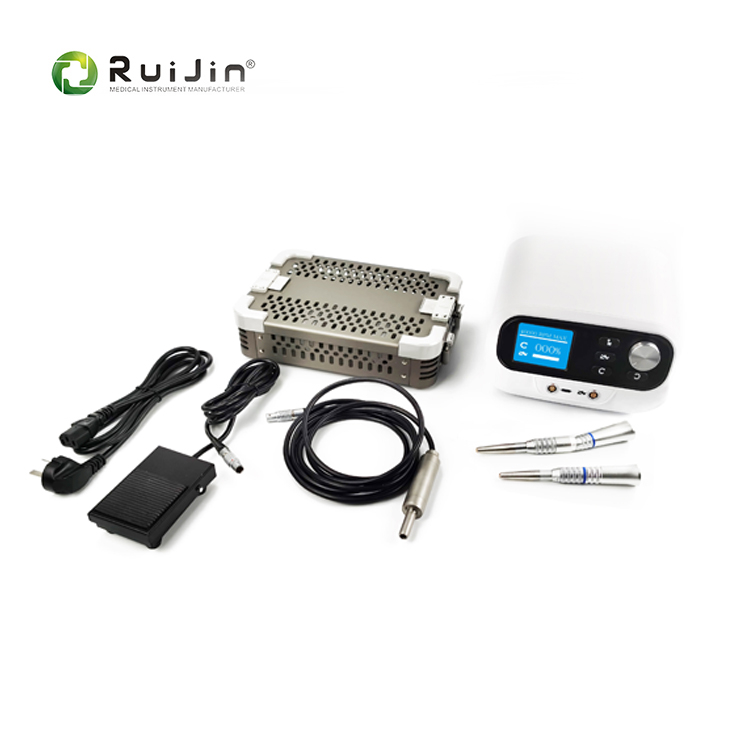
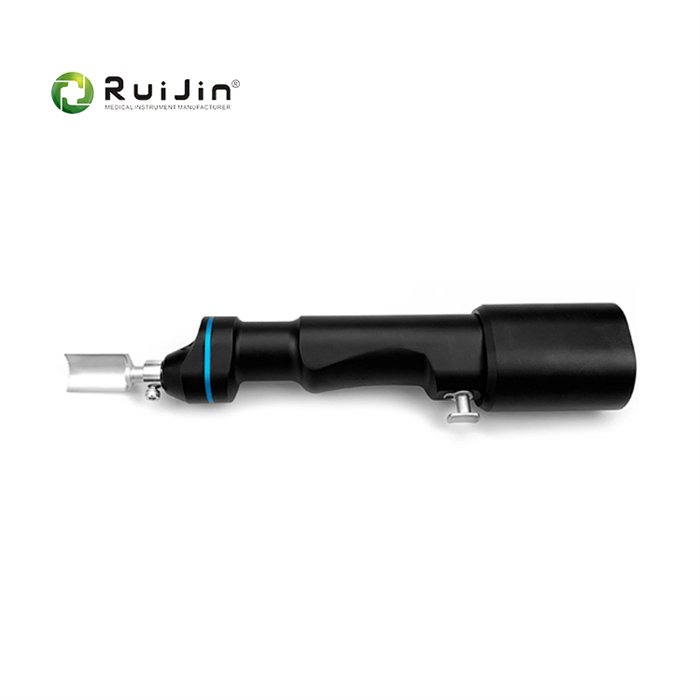
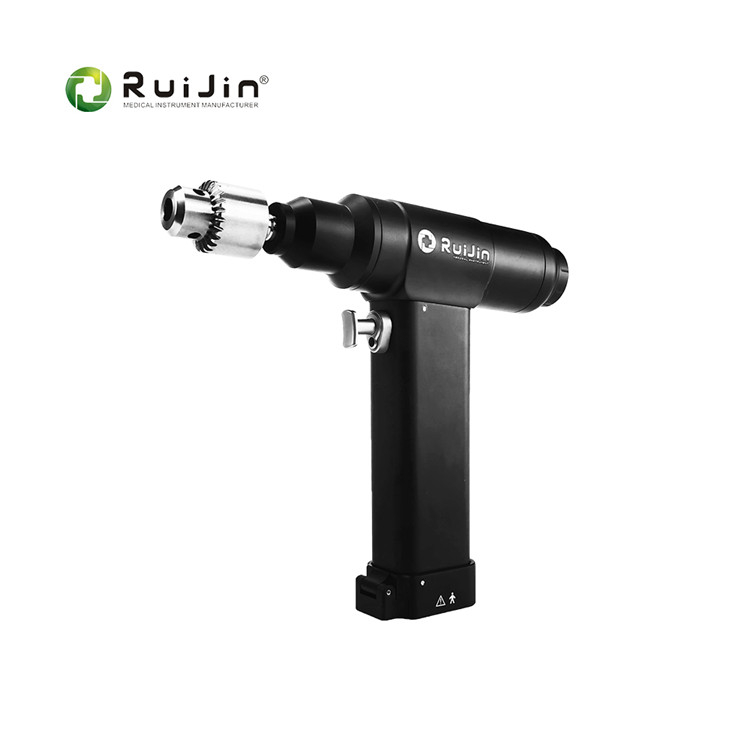
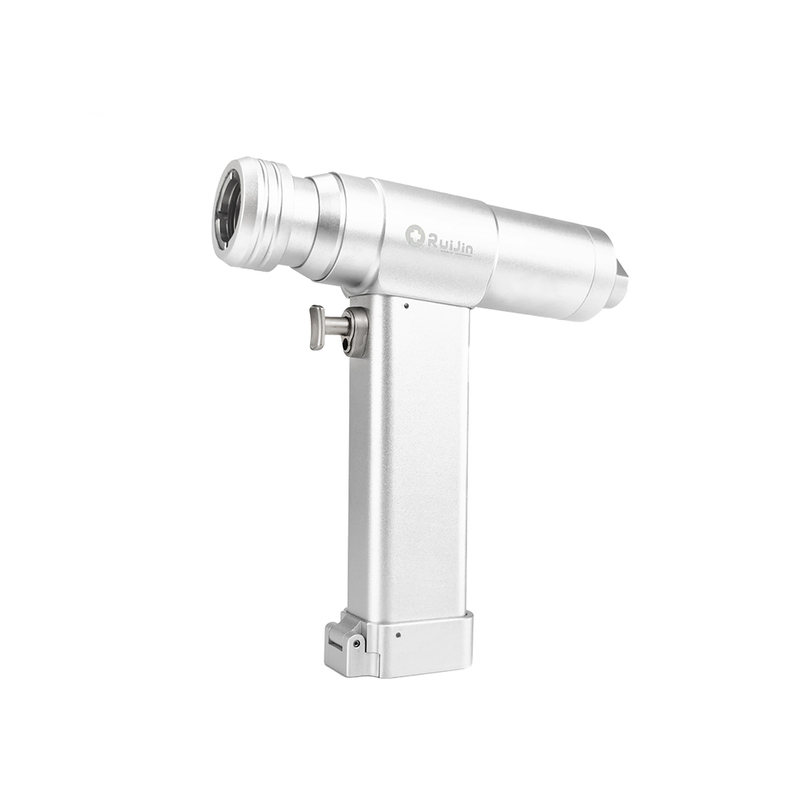
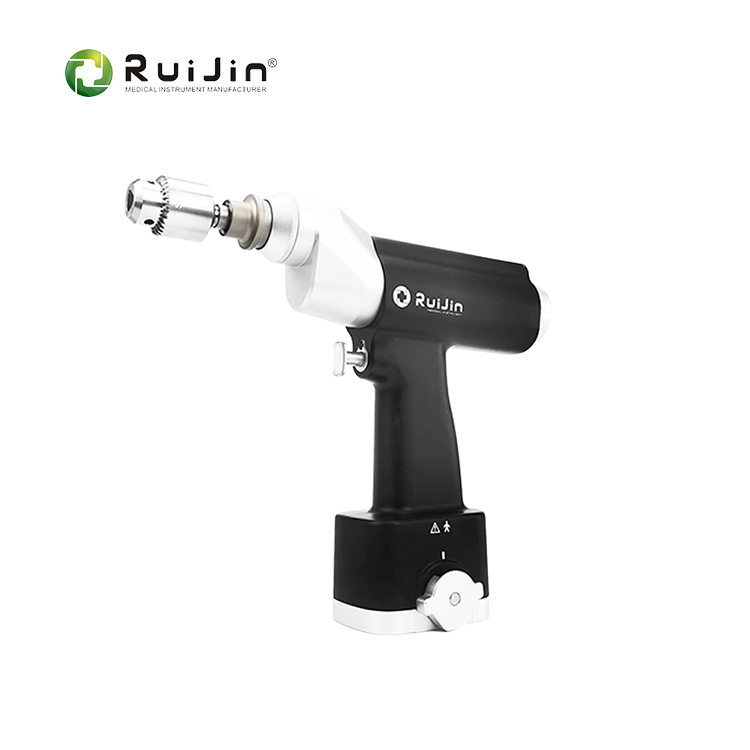
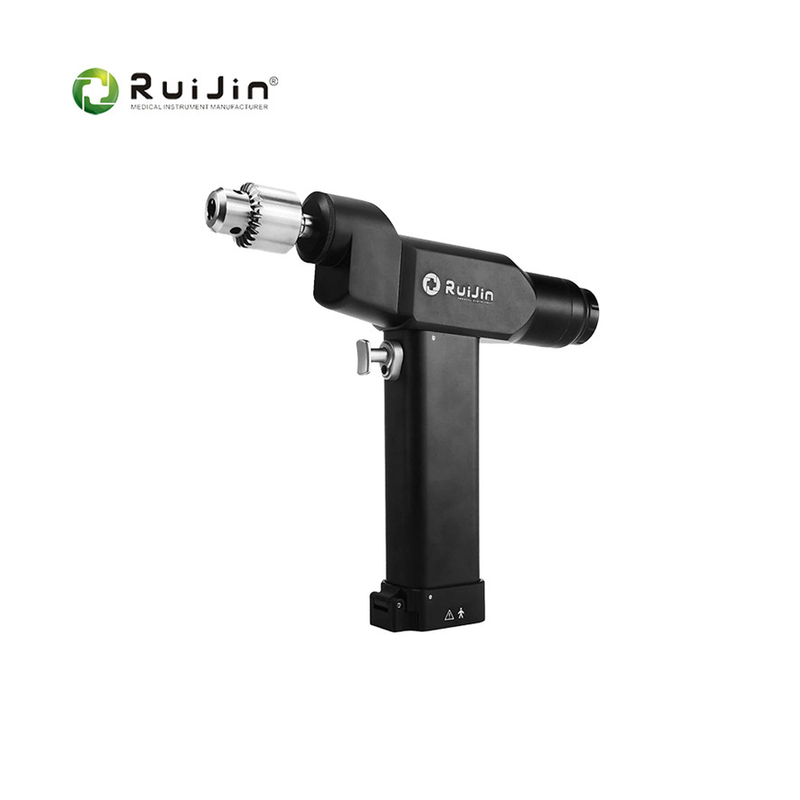
Surgical procedures rely on a coordinated set of tools—each engineered for a specific step, tissue type, or surgical approach. Without proper classification and understanding of operating instruments, complications such as prolonged surgery time, excessive tissue damage, or suboptimal outcomes may arise.
Clear categorization helps medical teams to:
Ensure the correct instruments are available for every operation
Standardize workflows and reduce surgical errors
Maintain high efficiency in sterilization and instrument management
Improve procurement planning and cost control
Support training for surgical staff and medical students
With hundreds of classifications across various specialties, the surgical toolkit is vast. However, most instruments fall into several major categories that reflect the core actions carried out in surgery.
Cutting and dissecting tools are among the most essential in any surgical environment. They allow surgeons to make incisions, separate tissue layers, remove damaged structures, and prepare the operative field.
Scalpels and blades – For precise skin and soft tissue incisions
Scissors – For cutting tissue, sutures, membranes, or fibrous layers
Medical bone saw – A powered oscillating device for cutting bone during orthopedic, trauma, and spinal procedures
Surgical drills – Including the Medical Bone Drill, used to create openings for screws, plates, and implants
Bone cutters – Manual or powered cutters for removing hard tissue
Cutting instruments require extreme precision and durability. Modern surgical saws and drills must offer:
Controlled cutting depth
Low vibration and heat generation
Compatibility with various surgical Medical Accessories
Improved ergonomic and safety features to support long surgeries
Powered devices such as bone saws and drills have enhanced surgical efficiency, reducing the time needed for orthopedic procedures and improving clinical outcomes.
These instruments stabilize tissue, hold structures in place, or assist in suturing.
Forceps – Thumb forceps, tissue forceps, dressing forceps
Needle holders – Secure the needle for suturing
Towel clamps – Hold drapes or towels in place
Bone-holding clamps – Used in orthopedic surgery when positioning bone fragments
Grasping tools must:
Provide firm, non-slip grip
Offer various tip designs for different tissue types
Minimize trauma to delicate structures
Maintain stability even in high-stress environments
In orthopedic surgery, bone-holding clamps complement powered instruments like the Medical Bone Drill by stabilizing the surgical site during drilling or fixation.
These instruments hold incisions open and allow surgeons to access deeper areas without damaging surrounding tissues.
Hand-held retractors – Simple, manually operated
Self-retaining retractors – Feature locking mechanisms
Specialty retractors – For neurosurgery, orthopedics, ENT, and thoracic surgeries
Maintain clear visibility
Reduce the need for assistants
Protect surrounding tissue
Expand the surgeon’s working area
Proper retraction is critical in both traditional soft tissue operations and orthopedic procedures using tools such as powered surgical drills.
Hemostatic instruments control bleeding—one of the most critical aspects of surgery.
Hemostatic forceps – Locking clamps to stop bleeding
Vascular clamps – Control major blood vessels
Ligature instruments – For tying off vessels
Electrosurgical instruments – Cauterize or coagulate bleeding vessels
Reduce blood loss
Maintain a clear surgical field
Prevent surgical complications
Improve recovery time
Hemostatic instruments ensure patient safety throughout procedures that involve tools such as medical bone saws and other bone-cutting devices.
These instruments close wounds and restore tissue integrity.
Needle drivers
Suture holders
Skin staplers
Internal staplers
Approximating tissue edges
Ensuring secure wound closure
Enhancing wound healing
Offering speed and consistency
Suturing tools are particularly important after orthopedic operations involving bone drilling or cutting.
Used primarily for opening passages or examining internal structures.
Probes – Identify pathways or locate foreign objects
Dilators – Expand openings in vessels or hollow organs
Facilitate insertion of larger instruments
Assess depth and consistency of tissue
Aid in minimally invasive procedures
These are crucial during endoscopic and laparoscopic surgeries.
Powered instruments have rapidly transformed modern surgery, especially orthopedics, neurosurgery, and trauma care. This category includes tools like the medical bone saw, medical bone drill, and other motorized devices.
Bone saws – Oscillating, sagittal, and reciprocating designs
Bone drills – High-speed, torque-controlled drills for creating screw holes and implant pathways
Reamers and drivers – For shaping bone canals and inserting screws
Pulse lavage systems – Irrigation devices for wound cleaning
Orthopedic power tool systems – Multi-functional sets with batteries and handpieces
Faster bone cutting and drilling
Better precision than manual alternatives
Reduced surgeon fatigue
Enhanced consistency across complex surgeries
Compatibility with a wide range of Medical Accessories
Powered instruments form the backbone of orthopedic procedures, trauma repair, and implant fixation.
Used in laparoscopic, arthroscopic, and other minimally invasive surgeries.
Trocars
Scopes and cameras
Insufflators
Endoscopic scissors and graspers
Reduce incision size
Minimize postoperative pain
Shorten recovery periods
Provide improved visualization through HD optics
These instruments complement powered tools during hybrid procedures where internal visualization and bone manipulation are required.
These instruments help evaluate tissue condition, measure structures, or detect abnormalities.
Calipers
Depth gauges
Probes
Tuning forks and reflex hammers
Bone measuring tools for orthopedic implant placement
Support surgical planning
Ensure precise implant alignment
Improve surgical outcomes
In orthopedic surgeries, diagnostic tools are often used before and after using powered devices like surgical drills.
While primary surgical instruments handle core tasks, Medical Accessories ensure smooth workflow, cleanliness, and compatibility during operations.
Drill bits and saw blades for bone drills and bone saws
Sterile covers and sleeves
Sterilization trays and cases
Irrigation accessories
Battery packs and chargers for powered instruments
Ensure proper function of powered devices
Maintain a sterile environment
Support workflow efficiency
Reduce instrument downtime
Medical Accessories are critical in orthopedic, trauma, and reconstructive surgeries, where surgical drills and saws must perform reliably.
Surgical success depends on seamless coordination of instruments, accessories, and sterile protocols.
Preoperative preparation – Selecting required operating instruments
Sterilization – Ensuring all instruments and Medical Accessories meet sterilization standards
Intraoperative use – Coordinated use of manual and powered tools
Postoperative processing – Cleaning, disinfection, maintenance, and storage
Modern surgical systems integrate manual and powered tools to enhance safety and efficiency.
With the global demand for high-performance surgical instruments, medical bone saws, Medical Bone Drills, and supporting Medical Accessories continually rising, choosing a reliable manufacturer is critical.
Wuhu Ruijin Medical Instrument & Device Co., Ltd., founded in 2007, is a national high-tech enterprise specializing in orthopedic surgical power tools. Our product portfolio includes bone drills, bone saws, operating instruments, and a full line of surgical accessories. With advanced automated production, strict quality inspection, and global distribution across more than 100 countries, Ruijin delivers durable, precise, and clinically proven solutions trusted by orthopedic surgeons worldwide.
Our mission is to advance human health by providing innovative, reliable, and high-performance surgical tools for global medical professionals.
1. What are the main categories of surgical instruments?
Surgical instruments are classified into cutting, grasping, retracting, hemostatic, suturing, diagnostic, dilating, and powered instruments, each serving a unique role in surgery.
2. What is the function of a medical bone saw?
A medical bone saw cuts bone using oscillating or reciprocating motion, allowing precise, controlled cutting during orthopedic and trauma surgery.
3. How is a Medical Bone Drill used?
A Medical Bone Drill is used to create holes in bone for screws, plates, or implants, essential in orthopedic fixation procedures.
4. Why are Medical Accessories important?
Accessories such as drill bits, blades, sterile covers, and batteries ensure compatibility, sterility, and proper functioning of powered surgical tools.
5. What makes powered surgical instruments different from manual ones?
Powered tools offer higher precision, faster cutting/drilling, reduced surgeon fatigue, and improved consistency, especially in orthopedic and reconstructive surgery.


