

Views: 0 Author: Site Editor Publish Time: 2026-08-12 Origin: Site


Evaluating the financial complexity of surgical equipment procurement requires looking far beyond the initial capital expenditure. The upfront investment required for surgical power tools often obscures the long-term operational expenses that accumulate over the equipment's lifespan. Procurement teams and department heads face the constant challenge of balancing strict departmental budget constraints with the clinical requirement for exceptional control, minimized thermal necrosis, and unmatched precision in bone cutting.
Understanding the true financial impact of a medical bone saw means analyzing application-specific requirements, such as the difference between large bone orthopedics and micro-system small bone procedures. It also requires a deep dive into long-term maintenance realities, consumable dependencies, and sterilization degradation. This guide breaks down the engineering variables, clinical tiers, and hidden expenses that dictate the overall financial footprint of surgical saws, providing a clear framework for making informed procurement decisions.
Price Disparity: The market ranges significantly, from manual instruments to comprehensive pathology systems with integrated dust collection, and advanced robotic-assisted modules.
Long-Term Expenses are Driven by Consumables: The true financial impact is heavily influenced by proprietary consumables, specifically single-use blades, battery replacements, and sterilization degradation.
Versatility vs. Specialization: Investing in a Multifunction Surgical Bone Drill And Saw can consolidate costs for general orthopedic departments, whereas specialized procedures (e.g., sternotomies or craniotomies) require dedicated, single-function tools.
Engineering for Orthogonal Force: High-value systems justify their expense through advanced mechanics that balance horizontal and vertical cutting forces, protecting bone structural integrity and reducing surgeon fatigue.
Compliance and Lifespan: Regulatory compliance, warranty terms, and the equipment's tolerance to repeated autoclave cycles are critical financial risk factors in the procurement process.
The baseline success criteria for surgical saws dictate the manufacturing complexity and, consequently, the required investment. Orthogonal cutting efficiency, thermal necrosis prevention, and ergonomic stability are not merely clinical preferences; they are engineering mandates. Achieving these standards requires precise manufacturing tolerances, advanced motor designs, and specialized materials that can endure the harsh realities of the operating room.
Medical-grade materials heavily impact the manufacturing baseline. Components must be machined from high-grade stainless steel, titanium, and specialized anodized aluminums. These materials are chosen for their ability to withstand repeated sterilization cycles without compromising structural integrity or allowing moisture ingress. The internal seals, bearings, and motor housings must maintain their protective qualities after hundreds of autoclave exposures, which requires expensive, highly durable synthetic compounds.
Premium systems are specifically engineered to manage horizontal and vertical cutting forces. High-end research and development ensures that the blade action maintains orthogonal bone cutting precision. This two-dimensional cutting accuracy reduces micro-fractures, limits thermal damage to surrounding tissue, and improves overall clinical outcomes. The internal mechanics required to reduce vibration and deliver smooth, consistent torque significantly increase the baseline manufacturing requirements of the unit.
Power source architecture also plays a major role in the financial equation. The choice between pneumatic, battery-powered, and corded electric systems introduces different manufacturing complexities.
Power Architecture | Manufacturing Complexity | Operational Considerations |
|---|---|---|
Pneumatic (Air-Driven) | Requires precision valves, high-pressure seals, and robust hoses. | Highly durable, requires central nitrogen/air supply, tethered operation. |
Battery-Powered | Complex internal circuitry, brushless motors, lithium-ion cell integration. | Maximum mobility, requires charging infrastructure, batteries degrade over time. |
Corded Electric | Heavy-duty power consoles, insulated cabling, heat management systems. | Consistent power delivery, tethered operation, lower consumable overhead. |
Beyond the power source, the internal mechanics designed to reduce vibration and improve two-dimensional cutting accuracy increase the baseline manufacturing requirements. High-quality bearings, precision-machined gears, and advanced motor control algorithms all contribute to the final production expenses. These components ensure the saw operates smoothly under heavy loads, preventing stalling and minimizing the physical strain on the surgeon during lengthy procedures.
Thermal management is another critical engineering factor. When cutting dense cortical bone, friction generates significant heat. If this heat transfers to the bone tissue, it can cause thermal necrosis, leading to delayed healing or implant failure. Advanced surgical saws incorporate heat sinks, efficient motor designs, and specialized blade geometries to dissipate heat rapidly. Developing and testing these thermal management systems requires extensive research and development, further driving up the baseline manufacturing requirements.
Ergonomics and weight distribution also play a vital role. A poorly balanced handpiece causes surgeon fatigue, reducing precision and increasing the risk of errors. Manufacturers invest heavily in ergonomic studies to design handpieces that fit comfortably in the hand and maintain a neutral center of gravity, even with heavy batteries or attachments connected. This attention to detail requires iterative prototyping and specialized manufacturing techniques.
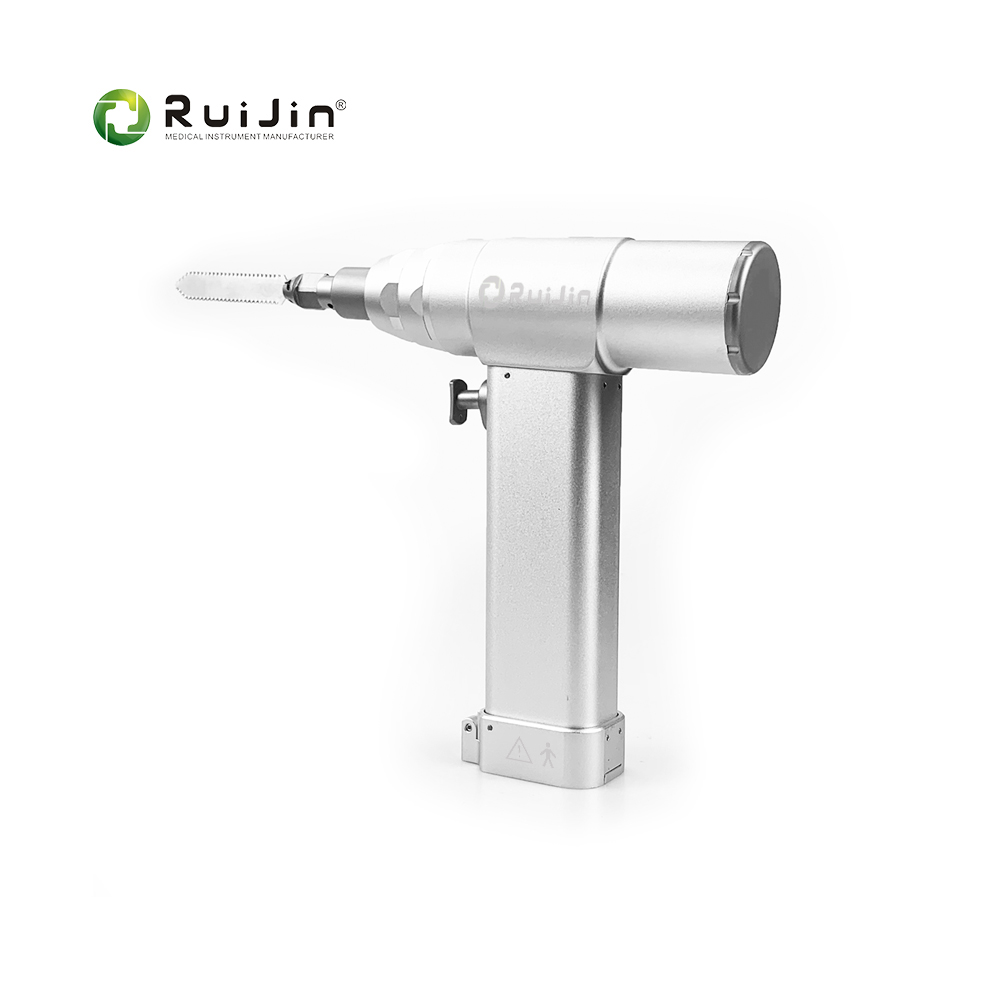
The market is segmented into distinct tiers based on clinical application, power output, and modularity. Understanding these categories helps align procurement strategies with actual departmental needs.
Basic power tools and manual instruments serve specific, low-volume needs. These devices are generally suited for basic pathology, veterinary applications, or highly specific manual procedures where high-speed oscillation is unnecessary. They lack the advanced thermal management and torque control required for complex human orthopedic surgeries.
While these tools require a lower initial investment, their clinical utility is strictly limited. Attempting to use entry-level equipment for procedures requiring high precision or heavy torque will result in poor outcomes, increased surgical time, and potential equipment failure. Procurement teams must clearly define the intended use cases before opting for these basic instruments.
The standard Oscillating Surgical Saw designed for small bone procedures represents a significant step up in engineering. Used frequently in maxillofacial, ENT, and podiatry procedures, these handpieces prioritize precision control and variable speed over raw power. The ability to modulate speed impacts surgical success and reduces surgeon hand-fatigue during delicate, prolonged reconstructions.
These mid-tier systems often feature pencil-grip designs for enhanced maneuverability in tight anatomical spaces. The blades are thinner and feature finer teeth, allowing for precise osteotomies with minimal bone loss. The engineering focus is on delivering smooth, vibration-free oscillation to protect delicate surrounding structures, such as nerves and blood vessels.
Dedicated systems for high-volume arthroplasty, sternotomies, and neurosurgery require heavy-duty torque capacity. These systems feature dual-trigger speed controls, advanced ergonomic weight distribution, and robust motors capable of cutting through dense cortical bone without stalling or generating excessive heat. The engineering focus here is on reliability under heavy load.
Arthroplasty: Requires high torque for precise bone resection during joint replacement surgeries.
Sternotomies: Demands specialized reciprocating saws designed to cut through the sternum quickly and safely.
Neurosurgery: Utilizes specialized craniotomes with dural guards to prevent injury to the brain during cranial access.
These high-end systems are built to withstand the rigors of back-to-back surgeries in busy trauma centers. They incorporate advanced sealing technologies to protect internal components during aggressive cleaning and sterilization protocols. The handpieces are often heavier but meticulously balanced to minimize fatigue during extended use.
Modular systems offer premium versatility by allowing a single power console or handpiece to accept multiple attachments. Quick-connect mechanisms enable surgeons to switch between drilling, reaming, oscillating, and reciprocating functions rapidly. This modularity reduces the need to purchase multiple standalone handpieces for general trauma centers, optimizing storage space and streamlining the sterilization workflow.
The initial investment for a multifunction system is higher than a single-function tool, but the long-term utility often justifies the expense. By consolidating equipment, departments can reduce the overall number of devices requiring maintenance, calibration, and battery replacement. However, procurement teams must ensure that the specific attachments required for their procedural volume are included in the initial purchase.
At the highest end of the spectrum are highly specialized devices, such as pathology systems with integrated HEPA vacuum dust collection, and robotic-assisted modules. Robotic systems represent a massive capital leap, requiring integration with surgical navigation platforms. The clinical justification relies on achieving unparalleled joint replacement precision and minimizing revision surgeries.
These next-generation systems incorporate advanced sensors, real-time feedback mechanisms, and sophisticated software algorithms to guide the surgeon's hand. While the upfront investment is substantial, the potential for improved patient outcomes, shorter recovery times, and reduced liability can offset the initial expenditure over the long term. Procurement of these systems requires extensive cross-departmental collaboration, including input from IT, clinical engineering, and surgical leadership.
The sticker price of a surgical handpiece is only a fraction of its lifetime financial footprint. Consumables, power management, and maintenance dictate the ongoing operational budget.
Consumables and disposables form the bulk of recurring expenses. Single-use oscillating and reciprocating blades must be continuously restocked. The choice between proprietary blade hub designs and universal hubs significantly impacts this ongoing expense. Proprietary blades often guarantee optimal performance and protect the manufacturer's warranty, but they lock the department into a specific vendor's ecosystem.
Universal blades offer a more flexible procurement strategy, allowing facilities to source consumables from multiple vendors. However, using non-OEM blades can sometimes compromise cutting efficiency or lead to increased vibration, which may accelerate wear on the handpiece. Procurement teams must carefully weigh the savings of universal blades against the potential impact on equipment longevity and clinical performance.
For battery-operated systems, power management introduces a predictable replacement cycle. Lithium-ion or NiMH batteries degrade over time, especially when subjected to the extreme heat and pressure of autoclaving. Procurement must account for the replacement of battery packs every few years, alongside the initial investment in medical-grade multi-bay charging stations.
Component | Degradation Factor | Replacement Frequency |
|---|---|---|
Lithium-Ion Batteries | Autoclave heat, charge cycling | 12 to 36 months |
Internal Motor Seals | Moisture ingress, chemical exposure | 24 to 48 months |
Bearings and Gears | High-torque usage, vibration | 36 to 60 months |
Maintenance, calibration, and repair are inevitable. High-volume usage leads to motor wear and bearing degradation, directly linked to the physical forces generated during high-torque cutting. Annual maintenance contracts, motor refurbishments, and calibration services are necessary to keep the equipment functioning within safe clinical parameters.
Sterilization realities also drive hidden expenses. Repeated autoclave cycles impact the lifespan of internal seals, batteries, and motors. Moisture ingress from compromised seals leads to premature electrical failure, necessitating costly repairs or complete handpiece replacement. Facilities must strictly adhere to the manufacturer's Instructions for Use (IFU) regarding cleaning and sterilization to maximize equipment lifespan.
The central sterile services department (CSSD) plays a crucial role in managing these operational expenses. Improper handling, inadequate lubrication, or using incompatible cleaning agents can rapidly degrade surgical power tools. Investing in proper CSSD training and specialized cleaning equipment, such as automated washer-disinfectors designed for power tools, can significantly reduce repair frequency and extend the operational life of the handpieces.
A structured procurement framework ensures that the selected equipment aligns with clinical needs while mitigating financial risk. The first step is defining clinical success criteria. A high-torque system is necessary for large bone orthopedics, whereas a micro-oscillating saw is required for maxillofacial surgery. Misaligning the tool with the procedure leads to clinical inefficiencies and wasted capital.
When evaluating a medical bone saw for sale on the secondary market, strict inspection protocols are mandatory. Purchasing certified pre-owned or refurbished saws can be financially viable, but it carries inherent risks. Procurement teams must check calibration certificates, assess battery health, and inspect the housing integrity for micro-cracks. It is crucial to verify warranty transferability and understand the risks of hidden motor wear or outdated battery ecosystems.
Verify the exact number of prior sterilization cycles if logged by the internal software.
Request detailed maintenance records and calibration certificates from the refurbisher.
Ensure the secondary market vendor offers a comprehensive warranty and guaranteed parts availability.
Test the battery health and charging infrastructure to avoid immediate replacement needs.
Assessing vendor authoritativeness and support is equally critical. Manufacturers should be evaluated based on FDA/CE compliance, the availability of loaner equipment during repairs, and guaranteed parts availability for the expected lifespan of the device, which is typically seven to ten years. A vendor's ability to provide rapid technical support and on-site training directly impacts the overall utility of the equipment.
Procurement teams should also evaluate the vendor's software ecosystem, particularly for advanced or robotic-assisted systems. Software updates, cybersecurity compliance, and integration with existing hospital networks are essential considerations. A system that requires frequent, expensive software upgrades or lacks robust cybersecurity measures can introduce unexpected operational expenses and compliance risks.
Deploying new surgical power tools introduces several operational risks that must be managed proactively.
Over-specification is a common financial drain. Purchasing a high-end multifunction system for a department that only performs basic, single-type procedures wastes capital. To mitigate this, conduct a retrospective audit of procedural volume over the past twelve months before issuing a Request for Proposal (RFP). This data-driven approach ensures the selected equipment matches the actual clinical demand.
Sterilization incompatibility poses a severe operational risk. Purchasing a system that requires sterilization parameters outside the hospital's current central sterile services department (CSSD) capabilities will render the equipment unusable. Mandate a CSSD review of the manufacturer's Instructions for Use (IFU) prior to finalizing any procurement contract. Ensure the facility has the necessary autoclaves, cleaning agents, and specialized racks required for the new handpieces.
Surgeon adoption and training represent a hidden expense in the form of lost operating room time. Unfamiliarity with new ergonomic designs, weight distributions, or robotic-assisted interfaces can slow down procedures. Require vendor-led in-service training and mandate physical trial periods before fully committing to a new system. Allowing surgeons to test the equipment in a simulated environment builds confidence and ensures a smooth transition during live procedures.
Another risk involves the supply chain for proprietary consumables. If a facility relies entirely on a single vendor for specialized blades or batteries, any disruption in the vendor's supply chain can halt surgical operations. To mitigate this, procurement teams should negotiate guaranteed delivery times and maintain a strategic reserve of critical consumables. Exploring secondary suppliers for compatible, non-proprietary accessories can also provide a safety net during supply shortages.
The true financial footprint of surgical power tools extends far beyond the initial purchase. It encompasses consumable dependencies, battery lifecycles, and the rigorous demands of sterilization maintenance. By evaluating these long-term operational realities alongside clinical requirements, facilities can optimize their equipment investments.
Initiate a comprehensive audit of procedural volumes to determine if a dedicated handpiece or a modular multifunction system is required.
Request physical trial units from at least three different vendors to allow surgeons to evaluate ergonomics, weight distribution, and cutting precision.
Mandate a review of the manufacturer's sterilization Instructions for Use (IFU) by your central sterile services department to ensure facility compatibility.
Calculate the projected annual expense of single-use blades and battery replacements to forecast the true operational budget.
A: Pneumatic systems require robust central air infrastructure but have lower handpiece maintenance needs. Battery-powered systems offer mobility but introduce recurring expenses for battery replacements and charging stations. Corded electric systems provide consistent power without battery degradation but limit mobility in the operating room.
A: Small bone saws are micro-oscillating devices designed for lower torque and high precision, ideal for ENT and maxillofacial surgery. Large bone saws are heavy-duty, high-torque systems built to cut through dense cortical bone in orthopedic and trauma procedures without stalling.
A: The handpiece itself typically lasts five to ten years with proper maintenance and regular servicing. However, the batteries degrade faster due to autoclave exposure and generally require replacement every one to three years to maintain optimal charge capacity.
A: Universal blades often reduce ongoing consumable expenses and provide supply chain flexibility. However, proprietary blades are engineered specifically for the manufacturer's hub, which can optimize cutting efficiency, reduce vibration, and ensure the handpiece warranty remains valid.
A: Yes, modular systems offer excellent utility for general surgical centers. By allowing one handpiece to power drills, reamers, and saws, facilities can reduce the total number of devices needed, streamlining storage, maintenance, and the sterilization workflow.
A: Always verify calibration certificates, inspect the housing for micro-cracks, and check battery health. It is vital to confirm warranty transferability and, if possible, review the exact number of prior sterilization cycles the unit has undergone to assess internal wear.
A: Robotic systems require a massive initial capital investment and involve per-procedure disposable costs. These expenses must be weighed against potential long-term savings achieved through improved surgical precision, reduced revision surgeries, and better patient outcomes.


